Bala Kanda · Sarga 19 of 77 · 22 verses
Vishvamitra Asks for Rama
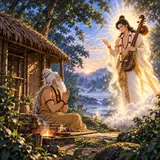
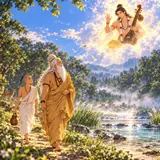
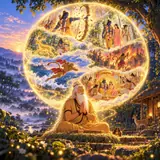
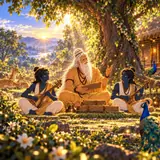
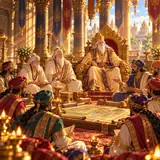
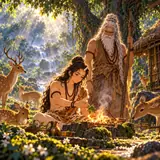
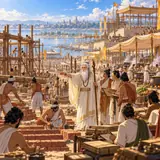
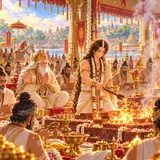
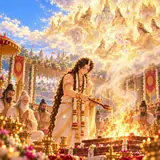
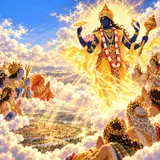
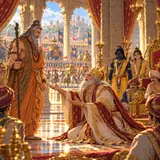
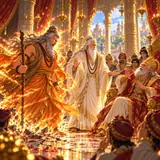
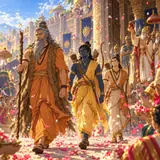
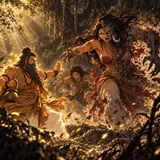
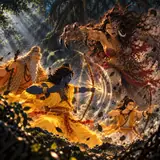
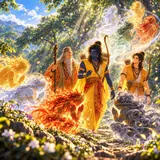
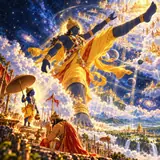
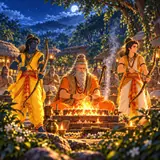
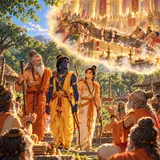
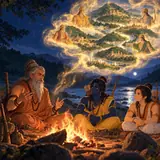
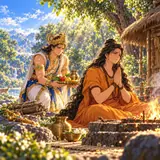
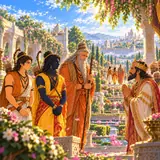
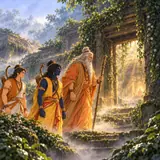
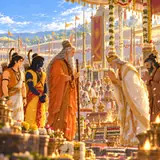
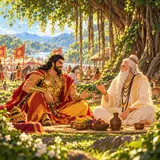
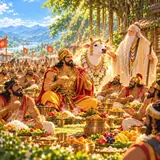
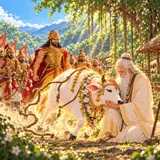
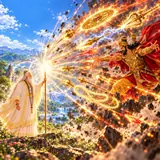
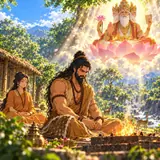
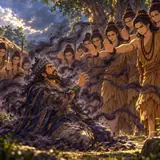
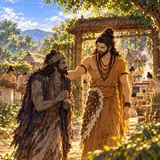
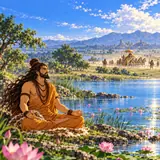
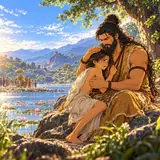
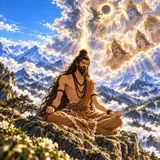
Vishvamitra, delighted by the king’s welcome, tells him what he wants. Whenever he undertakes a ritual vow and nears its end, two rakshasas, Maricha and Subahu, powerful and well trained, rain flesh and blood on his altar. He cannot curse them, because anger is forbidden during such a vow. So he asks for Rama, Dasharatha’s eldest, still a boy with side-locks. Protected by Vishvamitra’s own power, Rama can destroy them and win fame in the three worlds; no one but Rama can kill them.
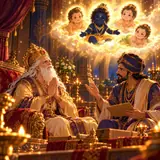
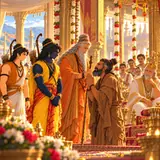
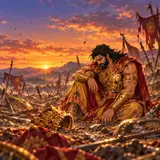
“Do not let your love for your son stand in the way. I promise you: count those two rakshasas as dead. I know who Rama truly is, and so does Vasishtha.” He asks for Rama for ten nights and tells the king not to grieve. Hearing this, Dasharatha is overwhelmed by grief, trembles, faints, and when he comes to, sits stricken with fear.
Press › to begin with verse 1.
तच्छ्रुत्वा राजसिंहस्य वाक्यमद्भुतविस्तरम् । हृष्टरोमा महातेजा विश्वामित्रोऽभ्यभाषत ॥ १ ॥
Hearing the lion among kings speak those wonderfully generous words, the radiant Vishvamitra, his hair standing on end with joy, replied:
राजसिंह के वे अद्भुत उदार वचन सुनकर तेजस्वी विश्वामित्र ने, जिनके रोम आनंद से खड़े हो गए थे, उत्तर दिया:
Commentary on the whole sarga
Vishvamitra Asks for Rama 1 min read.
Read the commentary CommentaryNot scripture Vishvamitra’s hair stands on end with joy (hrishta-roma ). He is moved by the king’s generous promise. But his joy is also the joy of someone who has got what he needs: the promise has been made before the request.
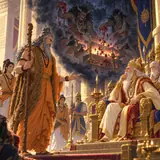
Scene 1 of 2 · Vishvamitra tells the court how two rakshasas, Maricha and Subahu, defile his sacrifice, and asks for young Rama.
सदृशं राजशार्दूल तवैवं भुवि नान्यतः । महावंशप्रसूतस्य वसिष्ठव्यपदेशिनः ॥ २ ॥
“This befits you alone on earth, tiger among kings, born in a great line and guided by Vasishtha.
“राजसिंह, बड़े कुल में जन्मे और वसिष्ठ के मार्गदर्शन में चलने वाले, पृथ्वी पर यह केवल आपको ही शोभा देता है।
CommentaryNot scripture “This befits you alone.” Vishvamitra praises the king’s family and his guidance by Vasishtha. Praise first, request second. The sage is preparing the ground.
Scene 1 of 2 · Vishvamitra tells the court how two rakshasas, Maricha and Subahu, defile his sacrifice, and asks for young Rama.
यत्तु मे हृद्गतं वाक्यं तस्य कार्यस्य निश्चयम् । कुरुष्व राजशार्दूल भव सत्यप्रतिश्रवः ॥ ३ ॥
“Now carry out the purpose of the words in my heart, tiger among kings, and be true to your promise.
“राजसिंह, अब मेरे मन की बात का प्रयोजन पूरा कीजिए, और अपनी प्रतिज्ञा पर सच्चे रहिए।
CommentaryNot scripture “Be true to your promise” (satya-pratijna ). These words carry weight. Dasharatha’s defining virtue is that he keeps his word. Vishvamitra calls on that very virtue, and the king is trapped by it, as he will be again with Kaikeyi.
Scene 1 of 2 · Vishvamitra tells the court how two rakshasas, Maricha and Subahu, defile his sacrifice, and asks for young Rama.
अहं नियममातिष्ठे सिद्ध्यर्थं पुरुषर्षभ । तस्य विघ्नकरौ द्वौ तु राक्षसौ कामरूपिणौ ॥ ४ ॥
“Bull among men, I undertake a ritual vow to gain perfection. Two rakshasas, able to take any form, obstruct it.
“पुरुषश्रेष्ठ, मैं सिद्धि पाने के लिए एक अनुष्ठान का व्रत करता हूँ। इच्छा से रूप बदलने वाले दो राक्षस उसमें बाधा डालते हैं।
CommentaryNot scripture Vishvamitra performs a ritual vow (niyama ) for spiritual success (siddhi ). Two rakshasas who can change their form keep ruining it. The sage’s problem is the same as the gods’: demons attacking holy work.
Scene 1 of 2 · Vishvamitra tells the court how two rakshasas, Maricha and Subahu, defile his sacrifice, and asks for young Rama.
व्रते तु बहुशश्चीर्णे समाप्त्यां राक्षसाविमौ । मारीचश्च सुबाहुश्च वीर्यवन्तौ सुशिक्षितौ ॥ ५ ॥
तौ मांसरुधिरौघेण वेदिं तामभ्यवर्षताम् । अवधूते तथाभूते तस्मिन् नियमनिश्चये ॥ ६ ॥
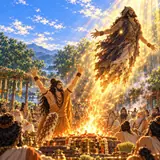
“When my vow is nearly complete, after much has been done, these two rakshasas, Maricha and Subahu, powerful and well trained, rain floods of flesh and blood on the altar. When my resolve for the vow has been shattered like this,
“जब मेरा व्रत लगभग पूरा होने को होता है, बहुत कुछ हो चुकने के बाद, ये दो राक्षस मारीच और सुबाहु, जो बलवान और प्रशिक्षित हैं, वेदी पर मांस और रक्त की बाढ़ बरसा देते हैं। जब व्रत का मेरा संकल्प इस तरह टूट जाता है,
CommentaryNot scripture Maricha and Subahu pour flesh and blood on the altar just when the rite is nearly complete. Such pollution ruins a sacrifice completely. Maricha is the same demon who will later become the golden deer. Here we meet him first.
Scene 1 of 2 · Vishvamitra tells the court how two rakshasas, Maricha and Subahu, defile his sacrifice, and asks for young Rama.
कृतश्रमो निरुत्साहस्तस्माद् देशादपाक्रमे । न च मे क्रोधमुत्स्रष्टुं बुद्धिर्भवति पार्थिव ॥ ७ ॥
“weary and disheartened, I leave the place. My mind is not set on releasing my anger, king,
“तो मैं थका और निराश होकर उस स्थान से चला आता हूँ। राजन, मेरा मन क्रोध छोड़ने का नहीं है,
CommentaryNot scripture Vishvamitra leaves the place weary and disheartened. And he does not want to release his anger. Why not just curse them? The next verse explains.
Scene 1 of 2 · Vishvamitra tells the court how two rakshasas, Maricha and Subahu, defile his sacrifice, and asks for young Rama.
तथाभूता हि सा चर्या न शापस्तत्र मुच्यते । स्वपुत्रं राजशार्दूल रामं सत्यपराक्रमम् ॥ ८ ॥
काकपक्षधरं शूरं ज्येष्ठं मे दातुमर्हसि । शक्तो ह्येष मया गुप्तो दिव्येन स्वेन तेजसा ॥ ९ ॥
“for that discipline is such that no curse may be uttered during it. Tiger among kings, you should give me your own son Rama, of true valour, brave, your eldest, who wears the side-locks of a boy. Protected by me, he is able, by his own divine power,
“क्योंकि वह अनुष्ठान ऐसा है कि उसके बीच कोई शाप नहीं दिया जा सकता। राजसिंह, आप मुझे अपना पुत्र राम दीजिए, जो सत्य-पराक्रमी, वीर, सबसे बड़ा है, और बालकों की तरह काकपक्ष (कनपटी के केश) रखता है। मेरी रक्षा में वह अपनी दिव्य शक्ति से
CommentaryNot scripture During this vow, he may not utter a curse. A curse would break the discipline. A sage who could destroy the demons with a word must remain silent. So he needs a protector. And he asks for Rama: “your eldest, who wears the side-locks of a boy” (kaka-paksha-dhara ). Rama is still a youth, not yet sixteen.
Scene 1 of 2 · Vishvamitra tells the court how two rakshasas, Maricha and Subahu, defile his sacrifice, and asks for young Rama.
राक्षसा ये विकर्तारस्तेषामपि विनाशने । श्रेयश्चास्मै प्रदास्यामि बहुरूपं न संशयः ॥ १० ॥
त्रयाणामपि लोकानां येन ख्यातिं गमिष्यति । न च तौ राममासाद्य शक्तौ स्थातुं कथञ्चन ॥ ११ ॥
“to destroy even those rakshasas who do the harm. And I will give him blessings of many kinds, no doubt of it, by which he will gain fame in the three worlds. Those two cannot stand before Rama in any way,
“उन बाधा डालने वाले राक्षसों को भी नष्ट करने में समर्थ है। और मैं उसे अनेक प्रकार के आशीर्वाद दूँगा, इसमें कोई संदेह नहीं, जिनसे वह तीनों लोकों में यश पाएगा। वे दोनों किसी भी तरह राम के सामने टिक नहीं सकते,
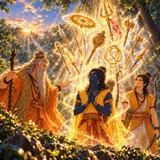
CommentaryNot scripture Rama has “divine power” (divyena tejasa ). Vishvamitra also promises to bless him in many ways. In the coming sargas he will give Rama celestial weapons. The journey will be a training as well as a mission.
Scene 1 of 2 · Vishvamitra tells the court how two rakshasas, Maricha and Subahu, defile his sacrifice, and asks for young Rama.
न च तौ राघवादन्यो हन्तुमुत्सहते पुमान् । वीर्योत्सिक्तौ हि तौ पापौ कालपाशवशं गतौ ॥ १२ ॥
रामस्य राजशार्दूल न पर्याप्तौ महात्मनः । न च पुत्रगतं स्नेहं कर्तुमर्हसि पार्थिव ॥ १३ ॥
“and no man other than Raghava can dare to kill them. Puffed up with their strength, those two evil ones have fallen under the noose of Time; they are no match, tiger among kings, for great-souled Rama. You should not let your love for your son hold you back, king.
“और राघव के सिवा कोई मनुष्य उन्हें मारने का साहस नहीं कर सकता। अपने बल के घमंड में फूले वे दोनों दुष्ट काल के पाश में आ चुके हैं; राजसिंह, वे महात्मा राम के बराबर नहीं हैं। राजन, पुत्र के प्रति प्रेम आपको रोके नहीं।
CommentaryNot scripture “No man other than Raghava can dare to kill them.” The demons are “under the noose of Time”: their death is already set. Then the hardest line: “Do not let love for your son hold you back.”
Scene 1 of 2 · Vishvamitra tells the court how two rakshasas, Maricha and Subahu, defile his sacrifice, and asks for young Rama.
अहं ते प्रतिजानामि हतौ तौ विद्धि राक्षसौ । अहं वेद्मि महात्मानं रामं सत्यपराक्रमम् ॥ १४ ॥
वसिष्ठोऽपि महातेजा ये चेमे तपसि स्थिताः । यदि ते धर्मलाभं च यशश्च परमं भुवि ॥ १५ ॥
“I promise you: know those two rakshasas as slain. I know the great-souled Rama, whose valour is truth, and so does the radiant Vasishtha, and these who are steadfast in austerity. If you wish for merit of dharma and supreme lasting fame on earth,
“मैं आपको वचन देता हूँ: उन दोनों राक्षसों को मरा हुआ ही समझिए। मैं सत्य-पराक्रमी महात्मा राम को जानता हूँ, और तेजस्वी वसिष्ठ भी जानते हैं, और ये तप में अडिग ऋषि भी। यदि आप धर्म का पुण्य और पृथ्वी पर परम स्थायी यश चाहते हैं,
CommentaryNot scripture “Know those two rakshasas as slain.” Vishvamitra speaks with certainty. And he says that he knows who Rama really is, and so does Vasishtha. The sages know Rama’s divine nature; the father, for all his love, does not.
Scene 1 of 2 · Vishvamitra tells the court how two rakshasas, Maricha and Subahu, defile his sacrifice, and asks for young Rama.
स्थिरमिच्छसि राजेन्द्र रामं मे दातुमर्हसि । यद्यभ्यनुज्ञां काकुत्स्थ ददते तव मन्त्रिणः ॥ १६ ॥
वसिष्ठप्रमुखाः सर्वे ततो रामं विसर्जय । अभिप्रेतमसंसक्तमात्मजं दातुमर्हसि ॥ १७ ॥
“lord of kings, give me Rama. If your ministers, led by Vasishtha, give their consent, Kakutstha, then send Rama. You should give me your beloved son, who is not attached to anything,
“राजाधिराज, तो मुझे राम दीजिए। काकुत्स्थ, यदि वसिष्ठ आदि आपके मंत्री सहमति दें, तो राम को भेजिए। आपको मुझे अपना वह प्रिय पुत्र देना चाहिए, जो किसी चीज़ में आसक्त नहीं है,
CommentaryNot scripture Vishvamitra asks for the consent of the ministers led by Vasishtha. He respects the court’s process. He also calls Rama “not attached to anything” (asakta ). He sees in the boy the detachment that will let him leave a throne without regret.
Scene 2 of 2 · King Dasharatha, who promised anything, hears the request and faints with grief on his throne.
दशरात्रं हि यज्ञस्य रामं राजीवलोचनम् । नात्येति कालो यज्ञस्य यथायं मम राघव ॥ १८ ॥
तथा कुरुष्व भद्रं ते मा च शोके मनः कृथाः । इत्येवमुक्त्वा धर्मात्मा धर्मार्थसहितं वचः ॥ १९ ॥
“lotus-eyed Rama, for the ten nights of the sacrifice. Act so that the time of my sacrifice does not pass, Raghava. Blessings on you; do not set your mind on grief.” Having spoken these words, full of dharma and good sense, the righteous,
“कमल-नयन राम को, यज्ञ की दस रातों के लिए। राघव, ऐसा कीजिए कि मेरे यज्ञ का समय न बीते। आपका कल्याण हो; मन को शोक में मत डालिए।” धर्म और अर्थ से भरे ये वचन कहकर धर्मात्मा,
CommentaryNot scripture Only ten nights: a short time. “Do not set your mind on grief.” The request seems small. But to a father who waited a lifetime for this son, ten nights in a demon-haunted forest feel like forever.
Scene 2 of 2 · King Dasharatha, who promised anything, hears the request and faints with grief on his throne.
विरराम महातेजा विश्वामित्रो महामतिः । स तन्निशम्य राजेन्द्रो विश्वामित्रवचः शुभम् ॥ २० ॥
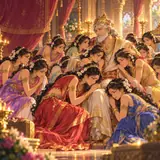
शोकेन महताविष्टश्चचाल च मुमोह च । लब्धसंज्ञस्तदोत्थाय व्यषीदत भयान्वितः ॥ २१ ॥
radiant and wise Vishvamitra fell silent. Hearing Vishvamitra’s fine words, the lord of kings was seized by great grief, trembled and fainted. When he came to his senses he rose, and sat down again, full of fear.
तेजस्वी और बुद्धिमान विश्वामित्र चुप हो गए। विश्वामित्र के ये उत्तम वचन सुनकर राजाधिराज बड़े शोक से घिर गए, काँप उठे और मूर्च्छित हो गए। होश आने पर वे उठे, और भय से भरे फिर बैठ गए।
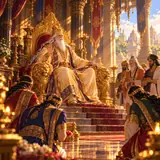
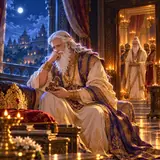
CommentaryNot scripture Dasharatha trembles and faints. The king who promised “anything” did not imagine he would be asked for his son. When he comes to, he sits back down, full of fear. The happiness of the last sarga collapses in a moment.
Scene 2 of 2 · King Dasharatha, who promised anything, hears the request and faints with grief on his throne.
इति हृदयमनोविदारणं मुनिवचनं तदतीव शुश्रुवान् । नरपतिरभवन्महान् महात्मा व्यथितमनाः प्रचचाल चासनात् ॥ २२ ॥
Having heard those words of the sage, which tore at heart and mind, the great and great-souled lord of men was shaken to the core, and tottered on his seat.
मुनि के उन वचनों को सुनकर, जो हृदय और मन को चीर देने वाले थे, वे महान महात्मा राजा भीतर तक हिल गए और अपने आसन पर डगमगा गए।
CommentaryNot scripture The words “tore at heart and mind”. The great king totters on his seat. Valmiki ends the sarga with the father’s shock. In the next sarga Dasharatha will beg the sage to take anything else.
Scene 2 of 2 · King Dasharatha, who promised anything, hears the request and faints with grief on his throne.