Bala Kanda · Sarga 21 of 77 · 22 verses
Vasishtha Counsels the King
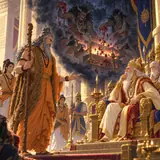
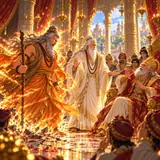
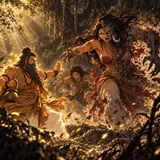
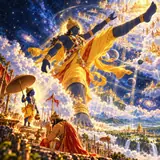
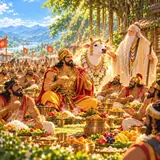
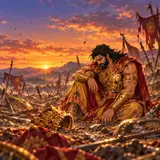
Vishvamitra answers angrily: “You promised, and now you want to break your word. This reversal does not suit the Raghavas. If it pleases you, I will go back as I came. Live happily among your friends, Kakutstha, as a man whose promise is false.” At his anger the whole earth shakes and the gods are afraid.
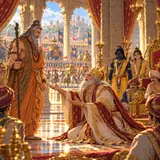
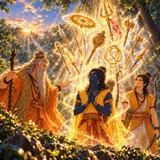
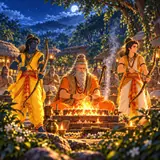
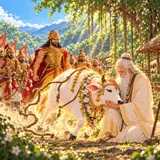
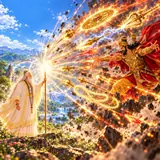
Vasishtha steps in. Dasharatha, born of the Ikshvakus and famed as dharma itself, must not abandon dharma: one who promises “I will do it” and does not, loses the merit of all his sacrifices and good works. Rama will be safe, guarded by Vishvamitra as nectar is guarded by fire. Vasishtha then reveals who Vishvamitra is: dharma in bodily form, the greatest of the valiant, master of every divine weapon, which the hundred sons of Krishashva, born of Daksha’s daughters Jaya and Suprabha, gave him when he was still a king. He could deal with the demons himself; he asks for Rama for Rama’s own good. Reassured, Dasharatha gladly agrees.
Press › to begin with verse 1.
तच्छ्रुत्वा वचनं तस्य स्नेहपर्याकुलाक्षरम् । समन्युः कौशिको वाक्यं प्रत्युवाच महीपतिम् ॥ १ ॥
Hearing the king’s words, every syllable shaken with love, Kaushika, in anger, replied to the lord of the earth:
प्रेम से काँपते हर अक्षर वाले राजा के वचन सुनकर कौशिक ने क्रोध में पृथ्वीपति को उत्तर दिया:
Commentary on the whole sarga
Vasishtha Counsels the King 1 min read.
Read the commentary CommentaryNot scripture “Every syllable shaken with love” (sneha-paryakula-akshara ). Valmiki names the reason for the king’s refusal: not cowardice, but love. Even as Vishvamitra rages, the poet makes us feel the father’s tenderness.
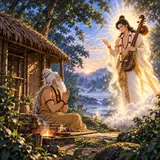
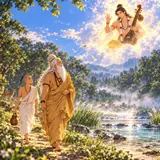
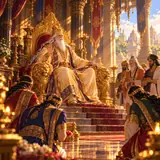
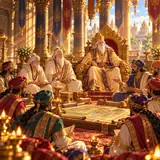
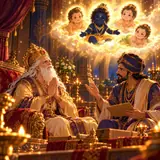
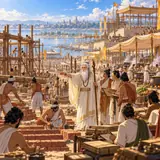
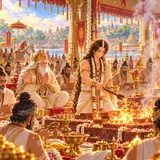
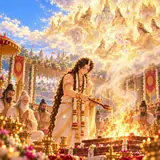
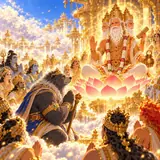
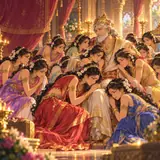
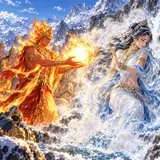
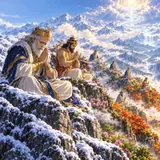
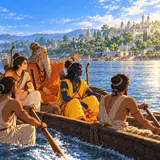
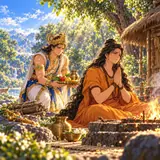
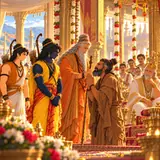
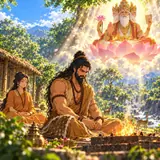
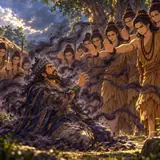
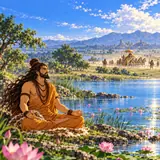
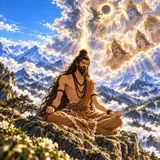
Scene 1 of 2 · Vishvamitra’s anger shakes the earth, and calm Vasishtha reminds the king that a promise must be kept.
पूर्वमर्थं प्रतिश्रुत्य प्रतिज्ञां हातुमिच्छसि । राघवाणामयुक्तोऽयं कुलस्यास्य विपर्ययः ॥ २ ॥
“Having first promised the thing, you now wish to abandon your promise. This reversal does not befit the line of the Raghavas.
“पहले वचन देकर अब आप अपनी प्रतिज्ञा छोड़ना चाहते हैं। यह उलटफेर रघुवंश को शोभा नहीं देता।
CommentaryNot scripture The charge is broken faith: “you promised, and now you abandon your promise”. A reversal (viparyaya ) unworthy of the Raghu line. Vishvamitra aims at the family’s honour, the place where Dasharatha is most vulnerable.
Scene 1 of 2 · Vishvamitra’s anger shakes the earth, and calm Vasishtha reminds the king that a promise must be kept.
यदीदं ते क्षमं राजन् गमिष्यामि यथागतम् । मिथ्याप्रतिज्ञः काकुत्स्थ सुखी भव सुहृद्वृतः ॥ ३ ॥
“If this suits you, king, I will go back as I came. Be happy, Kakutstha, among your friends, with your promise proved false.”
“राजन, यदि आपको यही उचित लगता है, तो मैं जैसे आया था वैसे ही लौट जाऊँगा। काकुत्स्थ, अपनी झूठी सिद्ध हुई प्रतिज्ञा के साथ अपने मित्रों के बीच सुखी रहिए।”
CommentaryNot scripture Bitter irony: “Be happy among your friends, with your promise proved false.” The sage offers to leave. But a great sage leaving in anger is a curse in itself.
Scene 1 of 2 · Vishvamitra’s anger shakes the earth, and calm Vasishtha reminds the king that a promise must be kept.
तस्य रोषपरीतस्य विश्वामित्रस्य धीमतः । चचाल वसुधा कृत्स्ना देवानां च भयं महत् ॥ ४ ॥
As the wise Vishvamitra was overcome with anger, the whole earth shook, and great fear came upon the gods.
जब बुद्धिमान विश्वामित्र क्रोध से भर गए, तब सारी पृथ्वी काँप उठी और देवताओं पर बड़ा भय छा गया।
CommentaryNot scripture The earth shakes and the gods are afraid. A sage’s anger has cosmic weight. Vishvamitra’s power is so great that his rage disturbs the world.
Scene 1 of 2 · Vishvamitra’s anger shakes the earth, and calm Vasishtha reminds the king that a promise must be kept.
त्रस्तरूपं तु विज्ञाय जगत्सर्वं महानृषिः । नृपतिं सुव्रतो धीरो वसिष्ठो वाक्यमब्रवीत् ॥ ५ ॥
Seeing the whole world in terror, the great sage Vasishtha, steadfast and of good vows, said to the king:
सारे संसार को भयभीत देखकर दृढ़ और उत्तम व्रत वाले महामुनि वसिष्ठ ने राजा से कहा:
CommentaryNot scripture Vasishtha steps in. He is the family priest, and the rival of Vishvamitra in old stories, yet here he takes Vishvamitra’s side. He is “steadfast”: he alone stays calm while the world trembles.
Scene 1 of 2 · Vishvamitra’s anger shakes the earth, and calm Vasishtha reminds the king that a promise must be kept.
इक्ष्वाकूणां कुले जातः साक्षाद् धर्म इवापरः । धृतिमान् सुव्रतः श्रीमान् न धर्मं हातुमर्हसि ॥ ६ ॥
“Born in the line of the Ikshvakus, like a second Dharma himself, steadfast, of good vows and glorious, you should not abandon dharma.
“इक्ष्वाकु वंश में जन्मे, स्वयं दूसरे धर्म के समान, दृढ़, उत्तम व्रत वाले और यशस्वी, आपको धर्म नहीं छोड़ना चाहिए।
CommentaryNot scripture Vasishtha calls Dasharatha “a second Dharma”. He reminds the king who he is. Good counsel often begins not with a rebuke but with a reminder of one’s best self.
Scene 1 of 2 · Vishvamitra’s anger shakes the earth, and calm Vasishtha reminds the king that a promise must be kept.
त्रिषु लोकेषु विख्यातो धर्मात्मा इति राघवः । स्वधर्मं प्रतिपद्यस्व नाधर्मं वोढुमर्हसि ॥ ७ ॥
“Raghava is famed in the three worlds as righteous. Keep to your own dharma; you should not take on adharma.
“राघव तीनों लोकों में धर्मात्मा के रूप में प्रसिद्ध हैं। अपने धर्म पर टिके रहिए; आपको अधर्म नहीं अपनाना चाहिए।
CommentaryNot scripture “Keep to your own dharma.” A king famed for righteousness cannot choose adharma, even for love. Vasishtha’s words are gentle but firm.
Scene 1 of 2 · Vishvamitra’s anger shakes the earth, and calm Vasishtha reminds the king that a promise must be kept.
प्रतिश्रुत्य करिष्येति उक्तं वाक्यमकुर्वतः । इष्टापूर्तवधो भूयात् तस्माद् रामं विसर्जय ॥ ८ ॥
“For one who has promised ‘I will do it’ and does not do what he said, the merit of his sacrifices and good works is destroyed. Therefore send Rama.
“जो ‘मैं करूँगा’ कहकर वचन देता है और कहा हुआ नहीं करता, उसके यज्ञों और शुभ कर्मों का पुण्य नष्ट हो जाता है। इसलिए राम को भेजिए।
CommentaryNot scripture The principle: one who promises and does not perform loses the merit of every good deed he has ever done. A broken word undoes a life of virtue. Dasharatha will remember this teaching when Kaikeyi claims her boons.
Scene 1 of 2 · Vishvamitra’s anger shakes the earth, and calm Vasishtha reminds the king that a promise must be kept.
कृतास्त्रमकृतास्त्रं वा नैनं शक्ष्यन्ति राक्षसाः । गुप्तं कुशिकपुत्रेण ज्वलनेनामृतं यथा ॥ ९ ॥
“Whether he is trained in weapons or not, the rakshasas will not be able to touch him, guarded by the son of Kushika, as nectar is guarded by fire.
“चाहे वह अस्त्रों में प्रशिक्षित हो या न हो, कुशिक-पुत्र की रक्षा में राक्षस उसे छू भी नहीं पाएँगे, जैसे अग्नि से रक्षित अमृत को।
CommentaryNot scripture Rama will be guarded by Vishvamitra “as nectar is guarded by fire”. In the myth, the nectar of immortality was ringed by fire. Rama, in the sage’s care, is just as safe.
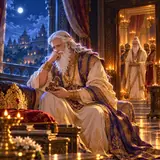
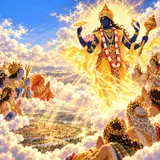
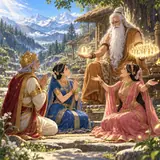
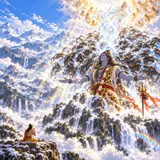
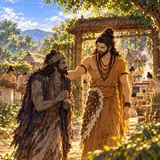
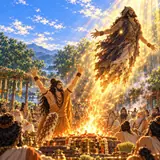
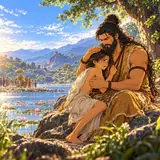
Scene 2 of 2 · Vasishtha tells of Vishvamitra’s living divine weapons, and the king, at peace, agrees to let Rama go.
एष विग्रहवान् धर्म एष वीर्यवतां वरः । एष विद्याधिको लोके तपसश्च परायणम् ॥ १० ॥
“This man is dharma in bodily form; he is the best of the valiant; he is the most learned in the world and the highest refuge of austerity.
“ये पुरुष शरीरधारी धर्म हैं; ये पराक्रमियों में श्रेष्ठ हैं; ये संसार में सबसे विद्वान हैं और तप का परम आश्रय हैं।
CommentaryNot scripture Vasishtha’s praise of his old rival: “dharma in bodily form”, “best of the valiant”, “most learned”, “highest refuge of austerity”. It is generous. Great souls recognise each other.
Scene 2 of 2 · Vasishtha tells of Vishvamitra’s living divine weapons, and the king, at peace, agrees to let Rama go.
एषोऽस्त्रान् विविधान् वेत्ति त्रैलोक्ये सचराचरे । नैनमन्यः पुमान् वेत्ति न च वेत्स्यन्ति केचन ॥ ११ ॥
न देवा नर्षयः केचिन्नामरा न च राक्षसाः । गन्धर्वयक्षप्रवराः सकिन्नरमहोरगाः ॥ १२ ॥
“He knows the various divine weapons in the three worlds, moving and unmoving. No other man knows them, nor will anyone know them: not the gods, not any sages, not the immortals, not the rakshasas, not the best of gandharvas and yakshas, with kinnaras and great serpents.
“ये चर और अचर तीनों लोकों के विविध दिव्य अस्त्रों को जानते हैं। उन्हें कोई दूसरा मनुष्य नहीं जानता, न कोई जानेगा: न देवता, न कोई ऋषि, न अमर, न राक्षस, न श्रेष्ठ गंधर्व और यक्ष, न किन्नर और बड़े नाग।
CommentaryNot scripture Vishvamitra knows divine weapons that no one else knows, or will know: not gods, sages, rakshasas, gandharvas or serpents. This is the secret reason Vishvamitra wants Rama: to pass these weapons on to him.
Scene 2 of 2 · Vasishtha tells of Vishvamitra’s living divine weapons, and the king, at peace, agrees to let Rama go.
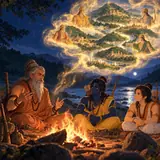
सर्वास्त्राणि कृशाश्वस्य पुत्राः परमधार्मिकाः । कौशिकाय पुरा दत्ता यदा राज्यं प्रशासति ॥ १३ ॥
“All the weapons, the sons of Krishashva, most righteous, were given long ago to Kaushika when he was ruling his kingdom.
“कृशाश्व के परम धर्मात्मा पुत्र, सब अस्त्र, बहुत पहले कौशिक को तब दिए गए थे जब वे अपना राज्य चला रहे थे।
CommentaryNot scripture The weapons are called “the sons of Krishashva”, living beings, not mere objects. They came to Vishvamitra while he was still a king. Before he became a sage, he was a warrior; the weapons remember it.
Scene 2 of 2 · Vasishtha tells of Vishvamitra’s living divine weapons, and the king, at peace, agrees to let Rama go.
तेऽपि पुत्राः कृशाश्वस्य प्रजापतिसुतासुताः । नैकरूपा महावीर्या दीप्तिमन्तो जयावहाः ॥ १४ ॥
“Those sons of Krishashva, born of the daughters of Prajapati, are of many forms, of great power, radiant and bringers of victory.
“प्रजापति की पुत्रियों से जन्मे कृशाश्व के वे पुत्र अनेक रूपों वाले, महान शक्ति वाले, तेजस्वी और विजय दिलाने वाले हैं।
CommentaryNot scripture Born of Prajapati’s daughters, many-formed, radiant, victory-bringing. In Indian myth, divine weapons (astra ) are often conscious powers that appear when called with the right mantra.
Scene 2 of 2 · Vasishtha tells of Vishvamitra’s living divine weapons, and the king, at peace, agrees to let Rama go.
जया च सुप्रभा चैव दक्षकन्ये सुमध्यमे । ते सुवातेऽस्त्रशस्त्राणि शतं परमभास्वरम् ॥ १५ ॥
“Jaya and Suprabha, the slender-waisted daughters of Daksha, gave birth to a hundred shining weapons and missiles.
“दक्ष की पतली कमर वाली पुत्रियों जया और सुप्रभा ने सौ चमकते अस्त्रों और शस्त्रों को जन्म दिया।
CommentaryNot scripture Jaya (“victory”) and Suprabha (“radiance”), daughters of Daksha, bore a hundred shining weapons. The weapons are personified as their children.
Scene 2 of 2 · Vasishtha tells of Vishvamitra’s living divine weapons, and the king, at peace, agrees to let Rama go.
पञ्चाशतं सुताँल्लेभे जया लब्धवरा वरान् । वधायासुरसैन्यानामप्रमेयानुरूपिणः ॥ १६ ॥
“Jaya, having received a boon, obtained fifty excellent sons, of immeasurable form, for the destruction of the armies of the asuras.
“जया ने वर पाकर असुरों की सेनाओं के विनाश के लिए अपरिमित रूप वाले पचास उत्तम पुत्र पाए।
CommentaryNot scripture Jaya’s fifty sons were born to destroy the armies of the asuras. Their purpose is protection of the cosmic order.
Scene 2 of 2 · Vasishtha tells of Vishvamitra’s living divine weapons, and the king, at peace, agrees to let Rama go.
सुप्रभाजनयच्चापि पुत्रान् पञ्चाशतं पुनः । संहारान् नाम दुर्धर्षान् दुराक्रामान् बलीयसः ॥ १७ ॥
“And Suprabha gave birth to fifty more sons, named Samharas, invincible, hard to assail, very strong.
“और सुप्रभा ने संहार नाम के पचास और पुत्रों को जन्म दिया, जो अजेय, दुर्जेय और अत्यंत बलवान हैं।
CommentaryNot scripture Suprabha’s fifty sons are the samharas , the withdrawing weapons, invincible and very strong. Knowing how to call back a weapon is as important as knowing how to launch it.
Scene 2 of 2 · Vasishtha tells of Vishvamitra’s living divine weapons, and the king, at peace, agrees to let Rama go.
तानि चास्त्राणि वेत्त्येष यथावत् कुशिकात्मजः । अपूर्वाणां च जनने शक्तो भूयश्च धर्मवित् ॥ १८ ॥
“This son of Kushika knows those weapons properly, and, knowing dharma, he is able to create more that never existed before.
“यह कुशिक-पुत्र उन अस्त्रों को ठीक से जानते हैं, और धर्म के ज्ञाता होकर ऐसे नए अस्त्र भी रच सकते हैं जो पहले कभी नहीं थे।
CommentaryNot scripture Vishvamitra knows them all “properly” and can even create new ones. He is a master, not just a keeper. Rama is about to get the best teacher in the world.
Scene 2 of 2 · Vasishtha tells of Vishvamitra’s living divine weapons, and the king, at peace, agrees to let Rama go.
तेनास्य मुनिमुख्यस्य धर्मज्ञस्य महात्मनः । न किञ्चिदस्त्यविदितं भूतं भव्यम् च राघव ॥ १९ ॥
“So for this foremost of sages, great-souled and knowing dharma, nothing past or future is unknown, Raghava.
“इसलिए, राघव, धर्म के ज्ञाता इन महात्मा मुनिश्रेष्ठ से भूत या भविष्य का कुछ भी छिपा नहीं है।
CommentaryNot scripture Nothing past or future is unknown to him. The father fears the unknown; the sage sees it all. Vasishtha is telling Dasharatha: trust the one who sees.
Scene 2 of 2 · Vasishtha tells of Vishvamitra’s living divine weapons, and the king, at peace, agrees to let Rama go.
एवंवीर्यो महातेजा विश्वामित्रो महायशाः । न रामगमने राजन् संशयं गन्तुमर्हसि ॥ २० ॥
“Such is the power of Vishvamitra, radiant and greatly renowned. You should not have any doubt, king, about Rama’s going.
“ऐसा है तेजस्वी और महायशस्वी विश्वामित्र का प्रभाव। राजन, राम के जाने के बारे में आपको कोई संदेह नहीं करना चाहिए।
CommentaryNot scripture “You should have no doubt about Rama’s going.” Vasishtha does not dismiss the king’s fear. He replaces it with knowledge.
Scene 2 of 2 · Vasishtha tells of Vishvamitra’s living divine weapons, and the king, at peace, agrees to let Rama go.
तेषां निग्रहणे शक्तः स्वयं च कुशिकात्मजः । तव पुत्रहितार्थाय त्वामुपेत्याभियाचते ॥ २१ ॥
“The son of Kushika is himself able to subdue them. It is for your son’s good that he has come to you and asks this.”
“कुशिक-पुत्र स्वयं उन्हें दबाने में समर्थ हैं। आपके पुत्र के हित के लिए ही वे आपके पास आए हैं और यह माँग रहे हैं।”
CommentaryNot scripture Then the key insight: Vishvamitra could defeat the demons himself. “It is for your son’s good that he has come.” The request was never about the sage’s need. It was a gift disguised as a demand.
Scene 2 of 2 · Vasishtha tells of Vishvamitra’s living divine weapons, and the king, at peace, agrees to let Rama go.
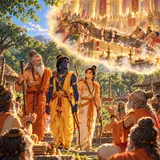
इति मुनिवचनात् प्रसन्नचित्तो रघुवृषभः च मुमोद पार्थिवाग्र्यः । गमनमभिरुरोच राघवस्य प्रथितयशाः कुशिकात्मजाय बुद्ध्या ॥ २२ ॥
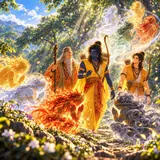
At the sage’s words the bull of the Raghus, first among kings, his mind at peace, rejoiced; and the famous king, in his own judgement, came to approve Raghava’s going with the son of Kushika.
मुनि के वचनों से रघुश्रेष्ठ, राजाओं में प्रथम राजा का मन शांत हुआ और वे प्रसन्न हुए; और उन यशस्वी राजा ने अपने विवेक से कुशिक-पुत्र के साथ राघव के जाने को स्वीकार कर लिया।
CommentaryNot scripture The king’s mind is at peace. He agrees “in his own judgement” (svayam ). Not forced, but persuaded. Good counsel changes the mind, it does not break it. Rama will go.
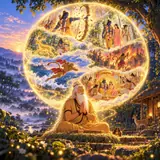
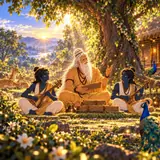
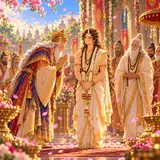
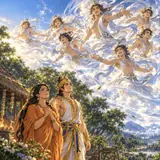
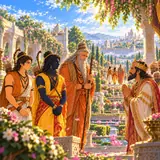
Scene 2 of 2 · Vasishtha tells of Vishvamitra’s living divine weapons, and the king, at peace, agrees to let Rama go.