Bala Kanda · Sarga 58 of 77 · 24 verses
Trishanku Becomes a Chandala
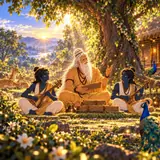
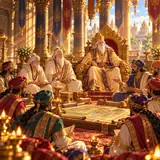
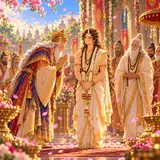
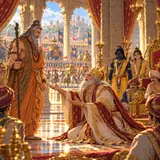
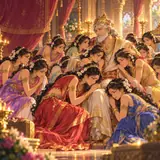
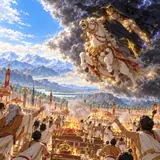
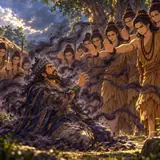
The hundred sons of Vasishtha answer angrily: “Fool, your truthful teacher refused you; how can you pass him over and come to another branch? Vasishtha can perform sacrifices for the three worlds; if he said it is impossible, how can we insult him? Go home.” Trishanku replies that, rejected by the father and the sons alike, he will find another way. At this hint of defiance, the sons curse him: “You will become a chandala.”
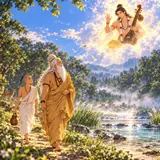
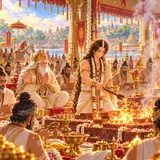
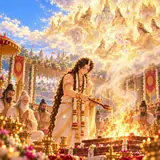
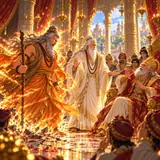
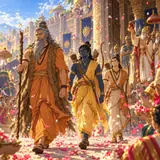
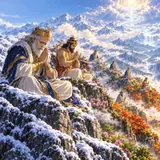
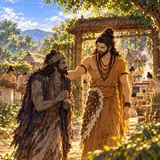
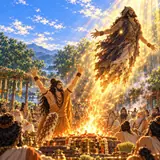
Overnight the king becomes a chandala: dark-skinned, in dark clothes, his hair rough, wearing garlands and paste from the cremation ground and iron ornaments. His ministers and citizens abandon him. Alone, burning day and night, he goes to Vishvamitra. The sage, seeing the ruined king, is moved to compassion and asks why he has come. Trishanku tells him everything: he was refused by his teacher and the teacher’s sons, and instead of his wish he got this disaster. He has performed a hundred sacrifices without reward; he has never spoken a lie, even in hardship; he has ruled by dharma and pleased his teachers by his conduct. “I think fate is everything and human effort useless. You are my only refuge. Turn back fate by human effort.”
Press › to begin with verse 1.
ततस्त्रिशङ्कोर्वचनं श्रुत्वा क्रोधसमन्वितम् । ऋषिपुत्रशतं राम राजानमिदमब्रवीत् ॥ १ ॥
Then, hearing Trishanku’s words, the hundred sons of the sage, Rama, filled with anger, said to the king:
तब, राम, त्रिशंकु के वचन सुनकर मुनि के सौ पुत्रों ने क्रोध से भरकर राजा से कहा:
Commentary on the whole sarga
Trishanku Becomes a Chandala 1 min read.
Read the commentary CommentaryNot scripture Vasishtha’s hundred sons respond with anger. They see Trishanku’s request as an insult to their father.
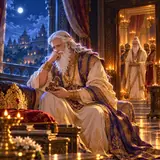
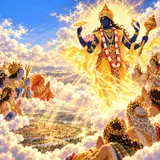
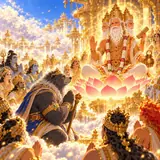
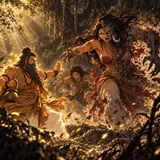
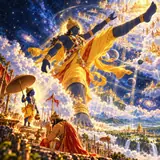
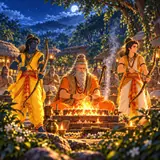
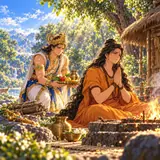
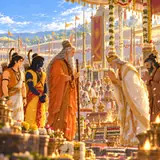
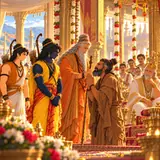
Scene 1 of 2 · Vasishtha’s angry sons refuse Trishanku and curse him to lose his royal form.
प्रत्याख्यातोऽसि दुर्मेधो गुरुणा सत्यवादिना । तं कथं समतिक्रम्य शाखान्तरमुपेयिवान् ॥ २ ॥
“Fool, you have been refused by your truthful teacher. How have you passed him over and come to another branch?
“मूर्ख, तुम्हारे सत्यवादी गुरु ने तुम्हें मना कर दिया है। उन्हें लाँघकर तुम दूसरी शाखा के पास कैसे आए?
CommentaryNot scripture “You have passed over your teacher and come to another branch.” To go around one’s guru to his sons is, in their eyes, a betrayal.
Scene 1 of 2 · Vasishtha’s angry sons refuse Trishanku and curse him to lose his royal form.
इक्ष्वाकूणां हि सर्वेषां पुरोधाः परमा गतिः । न चातिक्रमितुं शक्यं वचनं सत्यवादिनः ॥ ३ ॥
“The family priest is the highest refuge of all the Ikshvakus; the word of that truthful one cannot be overstepped.
“कुलपुरोहित सब इक्ष्वाकुओं की परम शरण हैं; उन सत्यवादी के वचन का उल्लंघन नहीं हो सकता।
CommentaryNot scripture “The word of the family priest cannot be overstepped.” Loyalty to the guru is absolute in their world.
Scene 1 of 2 · Vasishtha’s angry sons refuse Trishanku and curse him to lose his royal form.
अशक्यमिति सोवाच वसिष्ठो भगवानृषिः । तं वयं वै समाहर्तुं क्रतुं शक्ताः कथंचन ॥ ४ ॥
“The blessed sage Vasishtha said, ‘It is impossible.’ How could we in any way be able to undertake that sacrifice?
“भगवान मुनि वसिष्ठ ने कहा, ‘यह असंभव है।’ हम किसी भी तरह वह यज्ञ कैसे कर सकते हैं?
CommentaryNot scripture “He said it is impossible. How could we do it?” They will not contradict their father.
Scene 1 of 2 · Vasishtha’s angry sons refuse Trishanku and curse him to lose his royal form.
बालिशस्त्वं नरश्रेष्ठ गम्यतां स्वपुरं पुनः । याजने भगवान् शक्तस्त्रैलोक्यस्यापि पार्थिव ॥ ५ ॥
“You are a child, best of men; go back to your own city. The blessed one is able to perform sacrifice even for the three worlds, king.
“नरश्रेष्ठ, तुम बालक हो; अपनी नगरी लौट जाओ। राजन, भगवान तीनों लोकों के लिए भी यज्ञ कराने में समर्थ हैं।
CommentaryNot scripture “You are a child; go home.” Harsh words to a king. They add that Vasishtha could perform rites for the three worlds; if he says no, the answer is no.
Scene 1 of 2 · Vasishtha’s angry sons refuse Trishanku and curse him to lose his royal form.
अवमानं कथं कर्तुं तस्य शक्ष्यामहे वयम् । तेषां तद् वचनं श्रुत्वा क्रोधपर्याकुलाक्षरम् ॥ ६ ॥
स राजा पुनरेवैतानिदं वचनमब्रवीत् । प्रत्याख्यातो भगवता गुरुपुत्रैस्तथैव हि ॥ ७ ॥
“How could we bring ourselves to insult him?” Hearing their words, every syllable stirred with anger, the king spoke to them again: “Refused by the blessed one, and by his sons too,
“हम उनका अपमान करने का साहस कैसे कर सकते हैं?” उनके क्रोध से भरे अक्षरों वाले वचन सुनकर राजा ने उनसे फिर कहा: “भगवान ने मना किया, और उनके पुत्रों ने भी,
CommentaryNot scripture “How could we insult him?” The king hears their anger, and his own pride rises.
Scene 1 of 2 · Vasishtha’s angry sons refuse Trishanku and curse him to lose his royal form.
अन्यां गतिं गमिष्यामि स्वस्ति वोऽस्तु तपोधनाः । ऋषिपुत्रास्तु तच्छ्रुत्वा वाक्यं घोराभिसंहितम् ॥ ८ ॥
शेपुः परमसंक्रुद्धाश्चण्डालत्वं गमिष्यसि । इत्युक्त्वा ते महात्मानो विविशुः स्वं स्वमाश्रमम् ॥ ९ ॥
“I will go another way. Farewell, ascetics.” Hearing this speech with its dreadful intent, the sons of the sage, in great fury, cursed him: “You will become a chandala.” Having said this, those great souls entered their own hermitages.
“मैं दूसरा मार्ग अपनाऊँगा। विदा, तपस्वियो।” भयानक इरादे वाली यह बात सुनकर मुनि के पुत्रों ने बड़े क्रोध में उसे शाप दिया: “तुम चांडाल हो जाओगे।” यह कहकर वे महात्मा अपने-अपने आश्रमों में चले गए।
CommentaryNot scripture “I will go another way.” He threatens to seek another priest. The sons hear it as a threat to their father’s honour and curse him: “You will become a chandala .” In the social order of the time, chandalas were people treated as outcastes. The curse strips the king of everything his birth gave him. The story reflects the hierarchy of its era; it does not ask us to share it.
Scene 1 of 2 · Vasishtha’s angry sons refuse Trishanku and curse him to lose his royal form.
अथ रात्र्यां व्यतीतायां राजा चण्डालतां गतः । नीलवस्त्रधरो नीलः पुरुषो ध्वस्तमूर्धजः ॥ १० ॥
चित्यमाल्यांगरागश्च आयसाभरणोऽभवत् । तं दृष्ट्वा मन्त्रिणः सर्वे त्यज्य चण्डालरूपिणम् ॥ ११ ॥
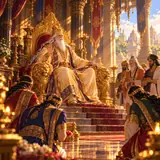
When the night had passed, the king had become a chandala: a dark man in dark clothes, with rough hair, with garlands and unguents of the cremation ground, wearing iron ornaments. Seeing him in the form of a chandala, all his ministers abandoned him
रात बीतने पर राजा चांडाल बन गया था: काला, काले वस्त्रों वाला, रूखे बालों वाला, श्मशान की मालाओं और लेपों वाला, लोहे के आभूषण पहने। उसे चांडाल के रूप में देखकर उसके सब मंत्रियों ने उसे छोड़ दिया
CommentaryNot scripture By morning, the king is transformed: dark, rough-haired, in dark clothes, with garlands from the cremation ground and iron ornaments instead of gold. Everything that marked him as a king is gone.
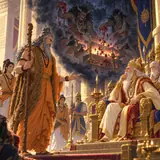
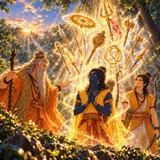
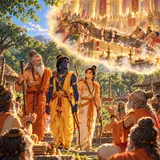
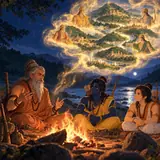
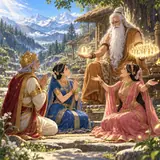
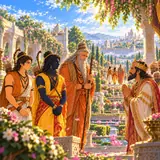
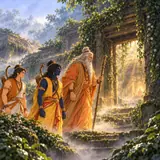
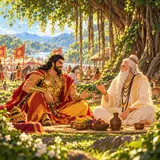
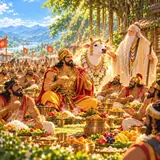
Scene 2 of 2 · Darkened, abandoned by his ministers, the king walks alone to Vishvamitra, who looks at him with compassion.
प्राद्रवन् सहिता राम पौरा येऽस्यानुगामिनः । एको हि राजा काकुत्स्थ जगाम परमात्मवान् ॥ १२ ॥
and ran away together, Rama, and so did the citizens who had followed him. The king, alone, Kakutstha, utterly self-possessed, went,
और साथ मिलकर भाग गए, राम, और वे नगरवासी भी जो उसके पीछे आए थे। काकुत्स्थ, अकेले, परम संयमी राजा चल पड़े,
CommentaryNot scripture His ministers and citizens abandon him. The loyalty of courtiers lasts only as long as the crown. Valmiki’s observation is bitter and true.
Scene 2 of 2 · Darkened, abandoned by his ministers, the king walks alone to Vishvamitra, who looks at him with compassion.
दह्यमानो दिवारात्रं विश्वामित्रं तपोधनम् । विश्वामित्रस्तु तं दृष्ट्वा राजानं विफलीकृतम् ॥ १३ ॥
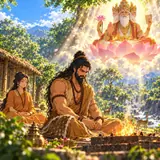
चण्डालरूपिणं राम मुनिः कारुण्यमागतः । कारुण्यात् स महातेजा वाक्यं परमधार्मिकः ॥ १४ ॥
burning day and night, to Vishvamitra, rich in austerity. Vishvamitra, seeing the king made fruitless, in the form of a chandala, was moved to compassion, Rama. Out of compassion the radiant, most righteous one
दिन-रात जलते हुए, तप के धनी विश्वामित्र के पास। राम, विफल हुए, चांडाल रूप वाले राजा को देखकर विश्वामित्र करुणा से भर गए। करुणा से तेजस्वी, अत्यंत धर्मात्मा मुनि ने
CommentaryNot scripture Alone, burning day and night, he goes to Vishvamitra. And Vishvamitra, seeing him, is moved by compassion (karunya ). This matters: the fierce, proud sage responds to an outcast with tenderness. Where others turn away, he does not.
Scene 2 of 2 · Darkened, abandoned by his ministers, the king walks alone to Vishvamitra, who looks at him with compassion.
इदं जगाद भद्रं ते राजानं घोरदर्शनम् । किमागमनकार्यं ते राजपुत्र महाबल ॥ १५ ॥
said these words to the king of dreadful appearance: “Bless you; what is the purpose of your coming, mighty prince,
भयानक रूप वाले राजा से ये वचन कहे: “तुम्हारा कल्याण हो; बलवान राजकुमार, तुम्हारे आने का प्रयोजन क्या है,
CommentaryNot scripture “Bless you; why have you come, mighty prince?” Vishvamitra still calls him prince. He sees the person, not the curse.
Scene 2 of 2 · Darkened, abandoned by his ministers, the king walks alone to Vishvamitra, who looks at him with compassion.
अयोध्याधिपते वीर शापाच्चण्डालतां गतः । अथ तद्वाक्यमाकर्ण्य राजा चण्डालतां गतः ॥ १६ ॥
अब्रवीत् प्राञ्जलिर्वाक्यं वाक्यज्ञो वाक्यकोविदम् । प्रत्याख्यातोऽस्मि गुरुणा गुरुपुत्रैस्तथैव च ॥ १७ ॥
“heroic lord of Ayodhya, who have become a chandala through a curse?” Hearing those words, the king who had become a chandala, skilled in speech, said with joined palms to that master of speech: “I was refused by my teacher and by my teacher’s sons as well.
“अयोध्या के वीर स्वामी, जो शाप से चांडाल बन गए हो?” वे वचन सुनकर, चांडाल बने बोलने में कुशल राजा ने वाणी के स्वामी से हाथ जोड़कर कहा: “मुझे मेरे गुरु ने और गुरु के पुत्रों ने भी मना कर दिया।
CommentaryNot scripture Trishanku tells his story: refused by his teacher and his teacher’s sons.
Scene 2 of 2 · Darkened, abandoned by his ministers, the king walks alone to Vishvamitra, who looks at him with compassion.
अनवाप्यैव तं कामं मया प्राप्तो विपर्ययः । सशरीरो दिवं यायामिति मे सौम्यदर्शन ॥ १८ ॥
“Without gaining my wish, I have met with disaster. My wish was to go to heaven in my own body, you whose look is gentle.
“अपनी इच्छा पाए बिना मैं विपत्ति में पड़ गया हूँ। सौम्य दृष्टि वाले, मेरी इच्छा अपने शरीर सहित स्वर्ग जाने की थी।
CommentaryNot scripture “My wish was to go to heaven in my own body.” He calls Vishvamitra saumya-darshana , “you whose look is gentle”.
Scene 2 of 2 · Darkened, abandoned by his ministers, the king walks alone to Vishvamitra, who looks at him with compassion.
मया चेष्टं क्रतुशतं तच्च नावाप्यते फलम् । अनृतं नोक्तपूर्वं मे न च वक्ष्ये कदाचन ॥ १९ ॥
“I have performed a hundred sacrifices, and I do not get their fruit. I have never before spoken a lie, and I never will,
“मैंने सौ यज्ञ किए हैं, और मुझे उनका फल नहीं मिलता। मैंने पहले कभी झूठ नहीं बोला, और कभी नहीं बोलूँगा,
CommentaryNot scripture “I have performed a hundred sacrifices and never told a lie.” He lists his virtues. He believes he deserves better.
Scene 2 of 2 · Darkened, abandoned by his ministers, the king walks alone to Vishvamitra, who looks at him with compassion.
कृच्छ्रेष्वपि गतः सौम्य क्षत्रधर्मेण ते शपे । यज्ञैर्बहुविधैरिष्टं प्रजा धर्मेण पालिताः ॥ २० ॥
“even when I have fallen into hardship, gentle one; I swear it to you by the dharma of kshatriyas. I have performed sacrifices of many kinds and protected my people by dharma,
“कठिनाई में पड़कर भी, सौम्य; मैं क्षत्रिय धर्म की शपथ लेकर आपसे यह कहता हूँ। मैंने अनेक प्रकार के यज्ञ किए हैं और धर्म से प्रजा की रक्षा की है,
CommentaryNot scripture He swears by the dharma of kshatriyas: he has ruled justly. Despite his strange wish, Trishanku is not a wicked king.
Scene 2 of 2 · Darkened, abandoned by his ministers, the king walks alone to Vishvamitra, who looks at him with compassion.
गुरवश्च महात्मानः शीलवृत्तेन तोषिताः । धर्मे प्रयतमानस्य यज्ञं चाहर्तुमिच्छतः ॥ २१ ॥
परितोषं न गच्छन्ति गुरवो मुनिपुंगव । दैवमेव परं मन्ये पौरुषं तु निरर्थकम् ॥ २२ ॥
“and my great-souled teachers have been pleased by my character and conduct. Yet though I strive in dharma and wish to perform a sacrifice, my teachers are not pleased, best of sages. I think fate alone is supreme, and human effort is meaningless.
“और मेरे महात्मा गुरु मेरे स्वभाव और आचरण से प्रसन्न रहे हैं। फिर भी, यद्यपि मैं धर्म में प्रयत्न करता हूँ और यज्ञ करना चाहता हूँ, मुनिश्रेष्ठ, मेरे गुरु प्रसन्न नहीं हैं। मुझे लगता है भाग्य ही सर्वोपरि है, और मानवीय प्रयत्न व्यर्थ है।
CommentaryNot scripture “I think fate alone is supreme, and human effort is meaningless.” His despair has turned into a philosophy. It is a question the epics often debate: fate (daiva ) or human effort (paurusha )?
Scene 2 of 2 · Darkened, abandoned by his ministers, the king walks alone to Vishvamitra, who looks at him with compassion.
दैवेनाक्रम्यते सर्वं दैवं हि परमा गतिः । तस्य मे परमार्तस्य प्रसादमभिकांक्षतः । कर्तुमर्हसि भद्रं ते दैवोपहतकर्मणः ॥ २३ ॥
“Everything is overpowered by fate; fate is the final course. To me, in the greatest distress, longing for your favour, whose deeds have been struck down by fate, you should grant it, bless you.
“सब कुछ भाग्य से दब जाता है; भाग्य ही अंतिम गति है। परम दुख में पड़े, आपकी कृपा चाहने वाले, भाग्य से जिसके कर्म नष्ट हो गए, ऐसे मुझ पर आप कृपा कीजिए, आपका कल्याण हो।
CommentaryNot scripture “Everything is overpowered by fate.” He begs Vishvamitra for grace.
Scene 2 of 2 · Darkened, abandoned by his ministers, the king walks alone to Vishvamitra, who looks at him with compassion.
नान्यां गतिं गमिष्यामि नान्यच्छरणमस्ति मे । दैवं पुरुषकारेण निवर्तयितुमर्हसि ॥ २४ ॥
“I will go to no other refuge; I have no other shelter. You should turn back fate by human effort.”
“मैं किसी दूसरी शरण में नहीं जाऊँगा; मेरा कोई दूसरा आश्रय नहीं है। आपको मानवीय प्रयत्न से भाग्य को पलट देना चाहिए।”
CommentaryNot scripture “You should turn back fate by human effort.” A striking request: the despairing king asks the sage to prove that effort can defeat fate. Vishvamitra, who is himself struggling against what he was born as, is the perfect person to try.
Scene 2 of 2 · Darkened, abandoned by his ministers, the king walks alone to Vishvamitra, who looks at him with compassion.