Bala Kanda · Sarga 38 of 77 · 24 verses
King Sagara and His Sixty Thousand Sons
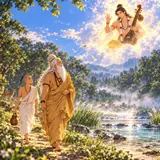
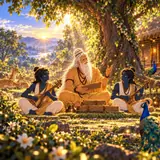
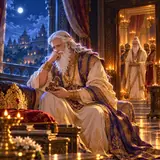
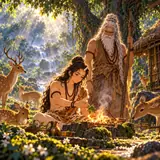
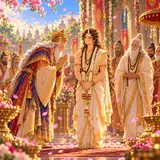
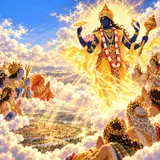
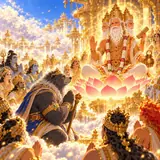
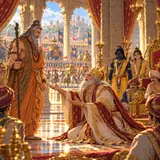
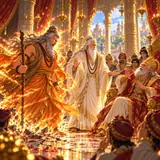
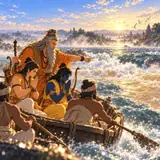
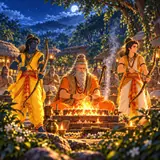
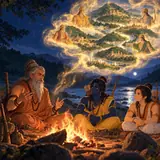
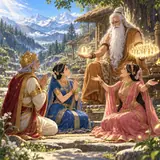
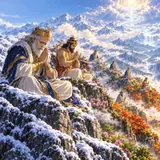
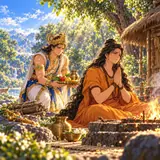
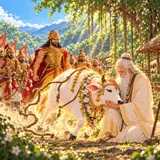
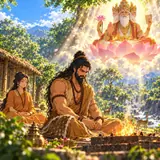
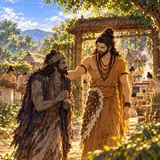
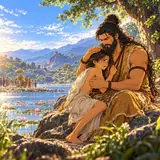
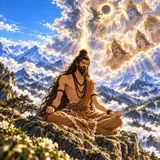
Vishvamitra now tells of Rama’s own ancestor. Sagara, a righteous king of Ayodhya, had no children. His elder wife was Keshini, princess of Vidarbha; his second, Sumati, daughter of Arishtanemi and sister of Garuda. With both he practised austerity for a hundred years on the Himalaya, and the sage Bhrigu granted a boon: one wife would bear a single son to continue the line, the other sixty thousand sons. Asked to choose, Keshini chose the one son; Sumati chose the sixty thousand.
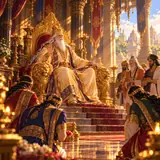
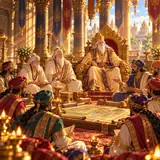
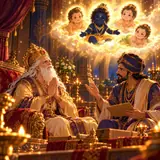
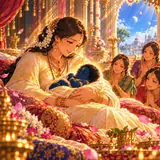
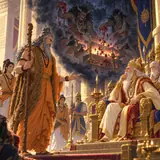
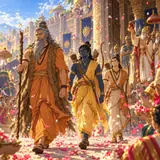
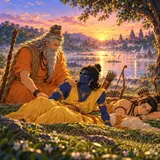
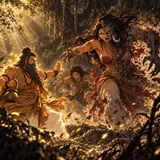
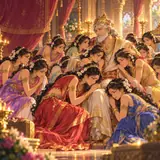
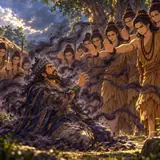
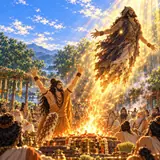
Keshini bore Asamanja. Sumati bore a gourd-shaped embryo, from which, when it split, sixty thousand sons came out; nurses reared them in jars filled with ghee until they grew into handsome young men. Asamanja turned cruel: he would throw children into the Sarayu and laugh as they drowned, so his father banished him from the city. His son Amshuman, however, was valiant, kind of speech and loved by all. After a long time Sagara resolved to perform a sacrifice, and began it with his priests.
Press › to begin with verse 1.
तां कथां कौशिको रामे निवेद्य मधुराक्षराम् । पुनरेवापरं वाक्यं काकुत्स्थमिदमब्रवीत् ॥ १ ॥
Having told that story in sweet syllables to Rama, Kaushika spoke further to Kakutstha:
मधुर अक्षरों में राम को वह कथा सुनाकर कौशिक ने काकुत्स्थ से आगे कहा:
Commentary on the whole sarga
King Sagara and His Sixty Thousand Sons 1 min read.
Read the commentary CommentaryNot scripture Vishvamitra moves from the gods to Rama’s own family. The Ganga’s descent is bound up with the history of Ayodhya’s kings. Rama is about to hear the story of his ancestors.
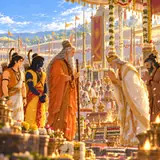
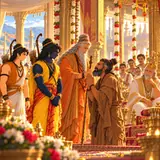
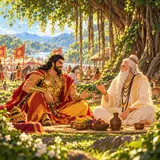
Scene 1 of 2 · In the Himalaya the sage Bhrigu lets King Sagara’s two queens choose: one son, or sixty thousand.
अयोध्याधिपतिर्वीर पूर्वमासीन्नराधिपः । सगरो नाम धर्मात्मा प्रजाकामः स चाप्रजः ॥ २ ॥
“Hero, there was once a king, lord of Ayodhya, named Sagara, righteous, longing for children but childless.
“वीर, पहले अयोध्या के स्वामी सगर नाम के एक राजा थे, धर्मात्मा, संतान चाहने वाले पर संतानहीन।
CommentaryNot scripture Sagara, lord of Ayodhya, righteous and childless. We met his name in sarga 5: the king whose sons dug the ocean. Like Dasharatha, he begins without children. History rhymes.
Scene 1 of 2 · In the Himalaya the sage Bhrigu lets King Sagara’s two queens choose: one son, or sixty thousand.
वैदर्भदुहिता राम केशिनी नाम नामतः । ज्येष्ठा सगरपत्नी सा धर्मिष्ठा सत्यवादिनी ॥ ३ ॥
“The princess of Vidarbha, Rama, named Keshini, was Sagara’s elder wife, most righteous and truthful.
“राम, विदर्भ की राजकुमारी केशिनी सगर की बड़ी पत्नी थीं, अत्यंत धर्मात्मा और सत्यवादी।
CommentaryNot scripture Keshini of Vidarbha, his elder wife, righteous and truthful.
Scene 1 of 2 · In the Himalaya the sage Bhrigu lets King Sagara’s two queens choose: one son, or sixty thousand.
अरिष्टनेमेर्दुहिता सुपर्णभगिनी तु सा । द्वितीया सगरस्यासीत् पत्नी सुमतिसंज्ञिता ॥ ४ ॥
“The daughter of Arishtanemi, the sister of Suparna (Garuda), named Sumati, was Sagara’s second wife.
“अरिष्टनेमि की पुत्री, सुपर्ण (गरुड़) की बहन सुमति सगर की दूसरी पत्नी थीं।
CommentaryNot scripture Sumati, sister of Garuda (Suparna), his second wife. Garuda is the great eagle of Vishnu. Through her, Sagara’s family is linked to the divine bird.
Scene 1 of 2 · In the Himalaya the sage Bhrigu lets King Sagara’s two queens choose: one son, or sixty thousand.
ताभ्यां सह महाराजः पत्नीभ्यां तप्तवांस्तपः । हिमवन्तं समासाद्य भृगुप्रस्रवणे गिरौ ॥ ५ ॥
“With those two wives the great king practised austerity, going to the Himalaya, to the mountain of Bhriguprasravana.
“उन दोनों पत्नियों के साथ महाराज ने हिमालय में भृगुप्रस्रवण पर्वत पर जाकर तप किया।
CommentaryNot scripture The king and his wives practise austerity together in the Himalaya. Couples seeking children often go to the mountains to pray in these stories.
Scene 1 of 2 · In the Himalaya the sage Bhrigu lets King Sagara’s two queens choose: one son, or sixty thousand.
अथ वर्षशते पूर्णे तपसाऽऽराधितो मुनिः । सगराय वरं प्रादाद् भृगुः सत्यवतां वरः ॥ ६ ॥
“When a hundred years were complete, the sage Bhrigu, best of the truthful, propitiated by austerity, gave Sagara a boon:
“जब सौ वर्ष पूरे हुए, तब तप से प्रसन्न हुए सत्यवादियों में श्रेष्ठ मुनि भृगु ने सगर को वर दिया:
CommentaryNot scripture After a hundred years, the sage Bhrigu, “best of the truthful”, grants a boon. Patience and discipline are rewarded.
Scene 1 of 2 · In the Himalaya the sage Bhrigu lets King Sagara’s two queens choose: one son, or sixty thousand.
अपत्यलाभः सुमहान् भविष्यति तवानघ । कीर्तिं चाप्रतिमां लोके प्राप्स्यसे पुरुषर्षभ ॥ ७ ॥
“’Sinless one, you will gain children in great number, and you will win matchless fame in the world, bull among men.
“’निष्पाप, तुम्हें बहुत बड़ी संख्या में संतान मिलेगी, और पुरुषश्रेष्ठ, तुम संसार में अनुपम यश पाओगे।
CommentaryNot scripture “You will have children in great number, and matchless fame.” Sagara’s name will last: the ocean itself will be named after him.
Scene 1 of 2 · In the Himalaya the sage Bhrigu lets King Sagara’s two queens choose: one son, or sixty thousand.
एका जनयिता तात पुत्रं वंशकरं तव । षष्टिं पुत्रसहस्राणि अपरा जनयिष्यति ॥ ८ ॥
“’One wife, child, will bear a son to continue your line; the other will bear sixty thousand sons.’
“’वत्स, एक पत्नी तुम्हारा वंश चलाने वाला एक पुत्र जन्म देगी; दूसरी साठ हज़ार पुत्रों को जन्म देगी।’
CommentaryNot scripture The boon has two parts: one wife will bear a single son to carry on the line; the other, sixty thousand sons.
Scene 1 of 2 · In the Himalaya the sage Bhrigu lets King Sagara’s two queens choose: one son, or sixty thousand.
भाषमाणं महात्मानं राजपुत्र्यौ प्रसाद्य तम् । ऊचतुः परमप्रीते कृताञ्जलिपुटे तदा ॥ ९ ॥
“As the great-souled one spoke, the two princesses, propitiating him, delighted, with joined palms, said:
“जब महात्मा ऐसा कह रहे थे, तब दोनों राजकुमारियों ने उन्हें प्रसन्न करते हुए, आनंदित होकर, हाथ जोड़कर कहा:
CommentaryNot scripture The two queens ask, with joined palms. They are eager and respectful.
Scene 1 of 2 · In the Himalaya the sage Bhrigu lets King Sagara’s two queens choose: one son, or sixty thousand.
एकः कस्याः सुतो ब्रह्मन् का बहूञ्जनयिष्यति । श्रोतुमिच्छावहे ब्रह्मन् सत्यमस्तु वचस्तव ॥ १० ॥
“’Brahmana, which of us will have the one son, and which will bear many? We wish to hear, brahmana; may your word come true.’
“’ब्राह्मण, हममें से किसे एक पुत्र होगा, और कौन बहुतों को जन्म देगी? ब्राह्मण, हम सुनना चाहती हैं; आपका वचन सत्य हो।’
CommentaryNot scripture “Which of us will have which?” A natural question. The sage’s answer is unexpected.
Scene 1 of 2 · In the Himalaya the sage Bhrigu lets King Sagara’s two queens choose: one son, or sixty thousand.
तयोस्तद् वचनं श्रुत्वा भृगुः परमधार्मिकः । उवाच परमां वाणीं स्वच्छन्दोऽत्र विधीयताम् ॥ ११ ॥
“Hearing their words, the most righteous Bhrigu spoke in excellent words: ‘Let it be decided here by your own choice:
“उनके वचन सुनकर अत्यंत धर्मात्मा भृगु ने उत्तम वचनों में कहा: ‘यह यहीं तुम्हारी अपनी इच्छा से तय हो:
CommentaryNot scripture “Choose for yourselves.” Bhrigu lets the queens decide. The choice is theirs.
Scene 1 of 2 · In the Himalaya the sage Bhrigu lets King Sagara’s two queens choose: one son, or sixty thousand.
एको वंशकरो वास्तु बहवो वा महाबलाः । कीर्तिमन्तो महोत्साहाः का वा कं वरमिच्छति ॥ १२ ॥
“’one son to continue the line, or many sons, mighty, famous and full of energy. Which of you wants which boon?’
“’वंश चलाने वाला एक पुत्र, या बलवान, यशस्वी और तेजस्वी अनेक पुत्र। तुममें से कौन कौन-सा वर चाहती है?’
CommentaryNot scripture One son to continue the line, or many mighty sons? A question about what really matters: one good heir, or many powerful ones.
Scene 1 of 2 · In the Himalaya the sage Bhrigu lets King Sagara’s two queens choose: one son, or sixty thousand.
मुनेस्तु वचनं श्रुत्वा केशिनी रघुनन्दन । पुत्रं वंशकरं राम जग्राह नृपसंनिधौ ॥ १३ ॥
“Hearing the sage’s words, delight of the Raghus, Keshini chose, in the king’s presence, the son who would continue the line, Rama.
“रघुनंदन राम, मुनि के वचन सुनकर केशिनी ने राजा के सामने वंश चलाने वाला पुत्र चुना।
CommentaryNot scripture Keshini chooses the one son, the continuer of the line. A quiet choice for the future.
Scene 1 of 2 · In the Himalaya the sage Bhrigu lets King Sagara’s two queens choose: one son, or sixty thousand.
षष्टिं पुत्रसहस्राणि सुपर्णभगिनी तदा । महोत्साहान् कीर्तिमतो जग्राह सुमतिः सुतान् ॥ १४ ॥
“Sumati, Suparna’s sister, chose sixty thousand sons, full of energy and fame.
“सुपर्ण की बहन सुमति ने तेज और यश से भरे साठ हज़ार पुत्र चुने।
CommentaryNot scripture Sumati chooses the sixty thousand. A choice for power and glory. As the story will show, quantity does not ensure goodness.
Scene 1 of 2 · In the Himalaya the sage Bhrigu lets King Sagara’s two queens choose: one son, or sixty thousand.
प्रदक्षिणमृषिं कृत्वा शिरसाभिप्रणम्य तम् । जगाम स्वपुरं राजा सभार्यो रघुनन्दन ॥ १५ ॥
“Walking around the sage in reverence and bowing their heads to him, the king went to his own city with his wives, delight of the Raghus.
“रघुनंदन, मुनि की परिक्रमा करके और सिर झुकाकर प्रणाम करके राजा अपनी पत्नियों के साथ अपनी नगरी लौट आए।
CommentaryNot scripture They walk around the sage, bow, and return home. The boons are set.
Scene 1 of 2 · In the Himalaya the sage Bhrigu lets King Sagara’s two queens choose: one son, or sixty thousand.
अथ काले गते तस्य ज्येष्ठा पुत्रं व्यजायत । असमञ्ज इति ख्यातं केशिनी सगरात्मजम् ॥ १६ ॥
“After a time had passed, the elder, Keshini, bore a son to Sagara, known as Asamanja.
“कुछ समय बीतने पर बड़ी रानी केशिनी ने सगर के एक पुत्र को जन्म दिया, जो असमंज नाम से प्रसिद्ध हुआ।
CommentaryNot scripture Keshini bears Asamanja. The single son.
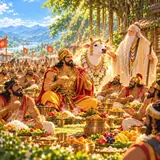
Scene 2 of 2 · Sagara’s sixty thousand sons grow up in the palace, while his cruel eldest son Asamanja is banished from Ayodhya.
सुमतिस्तु नरव्याघ्र गर्भतुम्बं व्यजायत । षष्टिः पुत्रसहस्राणि तुम्बभेदाद् विनिःसृताः ॥ १७ ॥
“Sumati, tiger among men, bore a gourd-like embryo; when the gourd split, sixty thousand sons came out of it.
“पुरुषसिंह, सुमति ने तूँबे जैसा एक गर्भ जन्म दिया; जब तूँबा फटा, तो उसमें से साठ हज़ार पुत्र निकले।
CommentaryNot scripture Sumati bears a gourd-like embryo, and from it come sixty thousand sons. A strange and wonderful birth, the kind of marvel the old stories love.
Scene 2 of 2 · Sagara’s sixty thousand sons grow up in the palace, while his cruel eldest son Asamanja is banished from Ayodhya.
घृतपूर्णेषु कुम्भेषु धात्र्यस्तान् समवर्धयन् । कालेन महता सर्वे यौवनं प्रतिपेदिरे ॥ १८ ॥
“Nurses reared them in jars filled with ghee, and after a long time all of them reached youth.
“धायों ने उन्हें घी से भरे घड़ों में पाला, और बहुत समय बाद वे सब युवावस्था में पहुँचे।
CommentaryNot scripture Nurses raise them in jars of ghee. An image that has puzzled and fascinated readers for centuries. In the story’s world, it means careful, nourishing protection for an unusual birth.
Scene 2 of 2 · Sagara’s sixty thousand sons grow up in the palace, while his cruel eldest son Asamanja is banished from Ayodhya.
अथ दीर्घेण कालेन रूपयौवनशालिनः । षष्टिः पुत्रसहस्राणि सगरस्याभवंस्तदा ॥ १९ ॥
“Then, after a long time, Sagara had sixty thousand sons, full of beauty and youth.
“फिर बहुत समय बाद सगर के रूप और यौवन से भरे साठ हज़ार पुत्र हो गए।
CommentaryNot scripture Sixty thousand young men, full of beauty and youth. Sagara has his army of sons.
Scene 2 of 2 · Sagara’s sixty thousand sons grow up in the palace, while his cruel eldest son Asamanja is banished from Ayodhya.
स च ज्येष्ठो नरश्रेष्ठ सगरस्यात्मसम्भवः । बालान् गृहीत्वा तु जले सरय्वा रघुनन्दन ॥ २० ॥
प्रक्षिप्य प्राहसन्नित्यं मज्जतस्तान् निरीक्ष्य वै । एवं पापसमाचारः सज्जनप्रतिबाधकः ॥ २१ ॥
“But his eldest son, best of men, Sagara’s own son, would seize children, delight of the Raghus, throw them into the water of the Sarayu, and always laugh as he watched them drown. So, being of evil conduct, a tormentor of good people,
“पर रघुनंदन, उनका सबसे बड़ा पुत्र, पुरुषश्रेष्ठ, सगर का अपना पुत्र, बच्चों को पकड़कर सरयू के जल में फेंक देता था, और उन्हें डूबते देखकर सदा हँसता था। इस प्रकार दुष्ट आचरण वाला, सज्जनों को सताने वाला,
CommentaryNot scripture But Asamanja, the one son chosen to continue the line, turns out cruel: he throws children into the Sarayu and laughs as they drown. Valmiki shows that a royal birth guarantees nothing about character.
Scene 2 of 2 · Sagara’s sixty thousand sons grow up in the palace, while his cruel eldest son Asamanja is banished from Ayodhya.
पौराणामहिते युक्तः पित्रा निर्वासितः पुरात् । तस्य पुत्रोंऽशुमान् नाम असमञ्जस्य वीर्यवान् ॥ २२ ॥
“bent on harming the citizens, he was banished from the city by his father. Asamanja had a valiant son named Amshuman,
“नगरवासियों का अहित करने में लगा वह पिता द्वारा नगर से निकाल दिया गया। असमंज का अंशुमान नाम का एक पराक्रमी पुत्र था,
CommentaryNot scripture Sagara banishes his own son. A king who protects his people must protect them even from his own child. This is the justice praised in sarga 7: “punishment even on their own sons”. But Asamanja has a son, Amshuman.
Scene 2 of 2 · Sagara’s sixty thousand sons grow up in the palace, while his cruel eldest son Asamanja is banished from Ayodhya.
सम्मतः सर्वलोकस्य सर्वस्यापि प्रियंवदः । ततः कालेन महता मतिः समभिजायत ॥ २३ ॥
“esteemed by all the world and kind in speech to everyone. Then, after a long time, a resolve arose,
“जो सारे संसार में सम्मानित और सबसे मधुर बोलने वाला था। फिर बहुत समय बाद सगर के मन में एक दृढ़ संकल्प उठा,
CommentaryNot scripture Amshuman is loved by all and kind in speech. Goodness skips a generation. The line will continue through the grandson.
Scene 2 of 2 · Sagara’s sixty thousand sons grow up in the palace, while his cruel eldest son Asamanja is banished from Ayodhya.
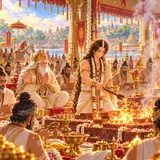
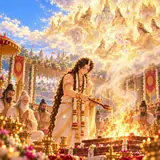
सगरस्य नरश्रेष्ठ यजेयमिति निश्चिता । स कृत्वा निश्चयं राजा सोपाध्यायगणस्तदा । यज्ञकर्मणि वेदज्ञो यष्टुं समुपचक्रमे ॥ २४ ॥
“a firm one, best of men, in Sagara: ‘I will sacrifice.’ Having made the resolve, the king, who knew the Vedas, with his company of priests began to perform the sacrifice.”
“पुरुषश्रेष्ठ: ‘मैं यज्ञ करूँगा।’ संकल्प करके वेदों के ज्ञाता राजा ने अपने पुरोहितों के साथ यज्ञ आरंभ किया।”
CommentaryNot scripture Sagara resolves to perform a horse sacrifice. Like Dasharatha’s in sarga 8. Each great king of this line performs the great rite, and each time, it changes the family’s destiny.
Scene 2 of 2 · Sagara’s sixty thousand sons grow up in the palace, while his cruel eldest son Asamanja is banished from Ayodhya.