Bala Kanda · Sarga 32 of 77 · 26 verses
King Kusha’s Sons and the Hundred Daughters
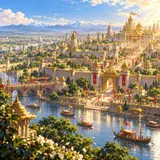
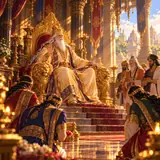
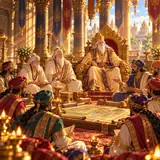
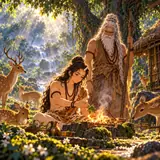
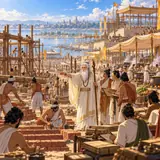
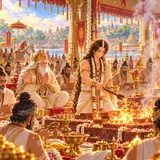
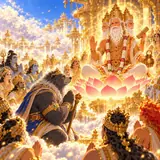
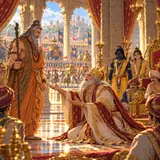
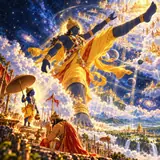
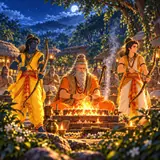
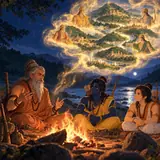
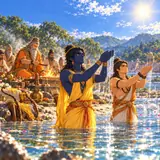
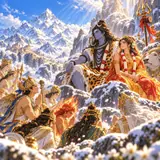
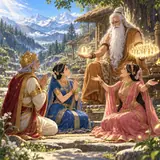
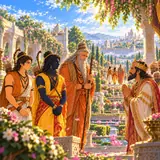
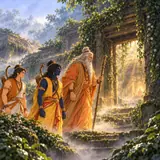
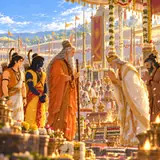
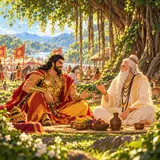
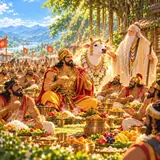
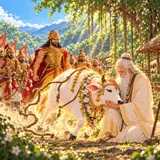
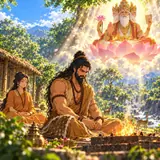
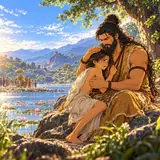
Vishvamitra tells the history of the land. Kusha, a great ascetic born of Brahma, had four sons by a princess of Vidarbha: Kushamba, Kushanabha, Asurtarajasa and Vasu. Told to rule and protect, they founded cities: Kushamba built Kaushambi, Kushanabha built Mahodaya, Asurtarajasa Dharmaranya, and Vasu Girivraja, ringed by five hills. The lovely river Sumagadhi winds among those hills like a garland; this is Vasu’s land, Magadha.
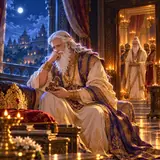
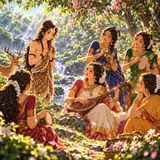
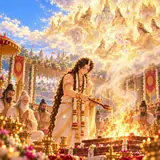
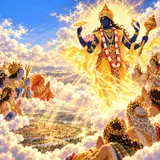
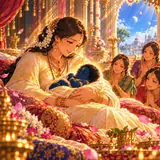
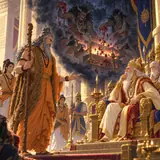
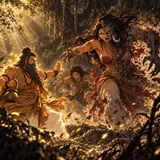
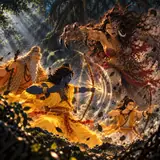
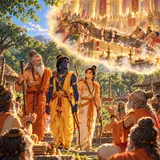
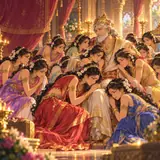
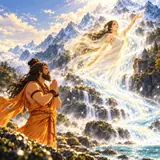
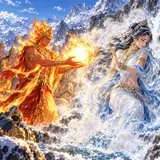
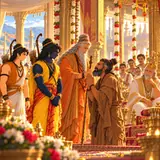
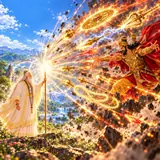
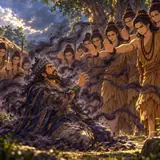
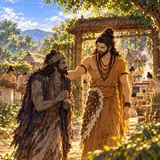
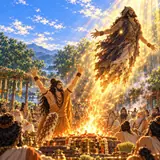
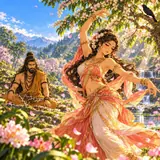
Kushanabha, a royal sage, had a hundred matchless daughters by the apsaras Ghritachi. One day, as they sang, danced and played in a garden like lightning among clouds, Vayu, the Wind god who lives in all beings, desired them: “Be my wives; give up your human state, and you will have unending youth and immortality.” They laughed at him: “You move within all beings and we know your power; why insult us? We could topple you with our austerity, but we will not. Our father is our lord; whomever he gives us to will be our husband.” Furious, Vayu entered their bodies and broke them, leaving them bent and crippled. Weeping and ashamed, they went home, and their father asked in alarm: “Who has done this? Who has despised dharma?”
Press › to begin with verse 1.
ब्रह्मयोनिर्महानासीत् कुशो नाम महातपाः । अक्लिष्टव्रतधर्मज्ञः सज्जनप्रतिपूजकः ॥ १ ॥
“There was a great ascetic named Kusha, born of Brahma, whose vows and dharma never faltered, and who honoured the good.
“कुश नाम के एक महान तपस्वी थे, जो ब्रह्मा से उत्पन्न हुए थे, जिनके व्रत और धर्म कभी डगमगाते नहीं थे, और जो सज्जनों का सम्मान करते थे।
Commentary on the whole sarga
King Kusha’s Sons and the Hundred Daughters 1 min read.
Read the commentary CommentaryNot scripture Vishvamitra begins the story of his own ancestors. Kusha, “born of Brahma”, is the founder of his line. The whole of this and the next few sargas is a family history, told by a sage to explain the land they are passing through.
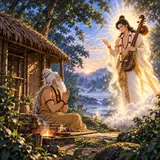
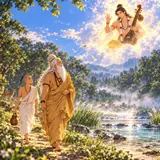
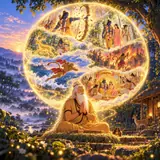
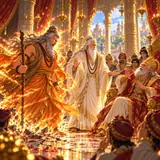
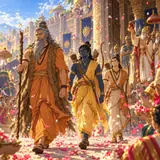
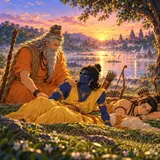
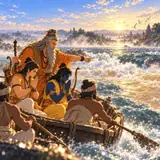
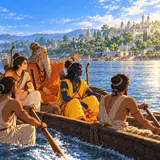
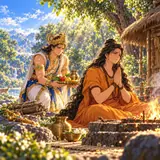
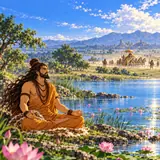
Scene 1 of 2 · By the Shona at night, Vishvamitra tells of his ancestor Kusha, whose four sons founded cities among five great hills.
स महात्मा कुलीनायां युक्तायां सुमहाबलान् । वैदर्भ्यां जनयामास चतुरः सदृशान् सुतान् ॥ २ ॥
“That great-souled one fathered four mighty sons, like himself, on a noble and worthy princess of Vidarbha:
“उन महात्मा ने विदर्भ की एक कुलीन और योग्य राजकुमारी से अपने ही जैसे चार बलवान पुत्र उत्पन्न किए:
CommentaryNot scripture Kusha marries a princess of Vidarbha (in central India) and has four sons. Lineages in the epics carry memories of real places and old dynasties.
Scene 1 of 2 · By the Shona at night, Vishvamitra tells of his ancestor Kusha, whose four sons founded cities among five great hills.
कुशाम्बं कुशनाभं च असूर्तरजसं वसुम् । दीप्तियुक्तान् महोत्साहान् क्षत्रधर्मचिकीर्षया ॥ ३ ॥
“Kushamba, Kushanabha, Asurtarajasa and Vasu, radiant and full of energy, wishing to follow the dharma of kshatriyas.
“कुशांब, कुशनाभ, असूर्तरजस और वसु, जो तेजस्वी और उत्साह से भरे थे, और क्षत्रिय धर्म का पालन करना चाहते थे।
CommentaryNot scripture The sons wish to follow the kshatriya dharma, the duty of rulers and warriors. Their great-great-grandson will be Vishvamitra, who was born a kshatriya and became a sage.
Scene 1 of 2 · By the Shona at night, Vishvamitra tells of his ancestor Kusha, whose four sons founded cities among five great hills.
तानुवाच कुशः पुत्रान् धर्मिष्ठान् सत्यवादिनः । क्रियतां पालनं पुत्रा धर्मं प्राप्स्यथ पुष्कलम् ॥ ४ ॥
“Kusha said to his sons, most righteous and truthful: ‘Sons, rule and protect; you will gain abundant dharma.’
“कुश ने अपने अत्यंत धर्मात्मा और सत्यवादी पुत्रों से कहा: ‘पुत्रो, शासन करो और रक्षा करो; तुम्हें बहुत धर्म प्राप्त होगा।’
CommentaryNot scripture Kusha tells them: “Rule and protect; you will gain dharma.” Ruling well is itself a spiritual path. Protection of the people is the king’s form of worship.
Scene 1 of 2 · By the Shona at night, Vishvamitra tells of his ancestor Kusha, whose four sons founded cities among five great hills.
कुशस्य वचनं श्रुत्वा चत्वारो लोकसत्तमाः । निवेशं चक्रिरे सर्वे पुराणां नृवरास्तदा ॥ ५ ॥
“Hearing Kusha’s words, the four, best of the world, best of men, all founded cities.
“कुश के वचन सुनकर संसार में श्रेष्ठ, पुरुषश्रेष्ठ उन चारों ने नगर बसाए।
CommentaryNot scripture Each son founds a city. Founding cities was the great work of the first kings in Indian legend.
Scene 1 of 2 · By the Shona at night, Vishvamitra tells of his ancestor Kusha, whose four sons founded cities among five great hills.
कुशाम्बस्तु महातेजाः कौशाम्बीमकरोत् पुरीम् । कुशनाभस्तु धर्मात्मा पुरं चक्रे महोदयम् ॥ ६ ॥
“The radiant Kushamba built the city of Kaushambi; the righteous Kushanabha built the city of Mahodaya;
“तेजस्वी कुशांब ने कौशांबी नगरी बसाई; धर्मात्मा कुशनाभ ने महोदय नगरी बसाई;
CommentaryNot scripture Kaushambi was a real and famous ancient city near Prayaga (Allahabad), an important centre in the Buddha’s time. Mahodaya is often identified with Kanyakubja (Kannauj). The legend preserves real geography.
Scene 1 of 2 · By the Shona at night, Vishvamitra tells of his ancestor Kusha, whose four sons founded cities among five great hills.
असूर्तरजसो नाम धर्मारण्यं महीपतिः । चक्रे पुरवरं राजा वसुनाम गिरिव्रजम् ॥ ७ ॥
“the lord of the earth named Asurtarajasa built Dharmaranya, and King Vasu built the fine city of Girivraja.
“असूर्तरजस नाम के राजा ने धर्मारण्य बसाया, और राजा वसु ने गिरिव्रज की सुंदर नगरी बसाई।
CommentaryNot scripture Girivraja, “enclosure of hills”, was the old capital of Magadha, later called Rajagriha (Rajgir in Bihar). The Buddha often stayed there.
Scene 1 of 2 · By the Shona at night, Vishvamitra tells of his ancestor Kusha, whose four sons founded cities among five great hills.
एषा वसुमती राम वसोस्तस्य महात्मनः । एते शैलवराः पञ्च प्रकाशन्ते समन्ततः ॥ ८ ॥
“This, Rama, is the land of that great-souled Vasu; these five great mountains shine all around.
“राम, यह उन्हीं महात्मा वसु का देश है; ये पाँच बड़े पर्वत चारों ओर चमक रहे हैं।
CommentaryNot scripture “These five great mountains”: Rajagriha is famous for being ringed by five hills, as visitors can still see today. Vishvamitra points them out to Rama. Valmiki’s geography is often precise.
Scene 1 of 2 · By the Shona at night, Vishvamitra tells of his ancestor Kusha, whose four sons founded cities among five great hills.
सुमागधी नदी रम्या मागधान् विश्रुताऽऽययौ । पञ्चानां शैलमुख्यानां मध्ये मालेव शोभते ॥ ९ ॥
“The lovely, famous river Sumagadhi flows into Magadha; it shines like a garland among the five great mountains.
“सुंदर, प्रसिद्ध सुमागधी नदी मगध में बहती है; वह पाँच बड़े पर्वतों के बीच माला की तरह शोभा पाती है।
CommentaryNot scripture The river Sumagadhi shines “like a garland among the five mountains”. Even in a family history, Valmiki stops to admire a river.
Scene 1 of 2 · By the Shona at night, Vishvamitra tells of his ancestor Kusha, whose four sons founded cities among five great hills.
सैषा हि मागधी राम वसोस्तस्य महात्मनः । पूर्वाभिचरिता राम सुक्षेत्रा सस्यमालिनी ॥ १० ॥
“This is that Magadhi of great-souled Vasu, Rama, flowing east, with good fields, garlanded with crops.
“राम, यही महात्मा वसु की वह मागधी है, जो पूर्व की ओर बहती है, अच्छे खेतों वाली, फसलों की माला पहने।
CommentaryNot scripture The river flows east through good farmland, “garlanded with crops”. The Magadha country was among the richest farming regions of ancient India.
Scene 1 of 2 · By the Shona at night, Vishvamitra tells of his ancestor Kusha, whose four sons founded cities among five great hills.
कुशनाभस्तु राजर्षिः कन्याशतमनुत्तमम् । जनयामास धर्मात्मा घृताच्यां रघुनन्दन ॥ ११ ॥
“And the royal sage Kushanabha, the righteous one, fathered a hundred matchless daughters on Ghritachi, delight of the Raghus.
“और रघुनंदन, धर्मात्मा राजर्षि कुशनाभ ने घृताची अप्सरा से सौ अनुपम पुत्रियाँ उत्पन्न कीं।
CommentaryNot scripture Kushanabha, the second son, fathers a hundred daughters on the apsaras Ghritachi. Celestial mothers and human fathers recur in these legends.
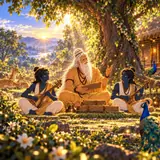
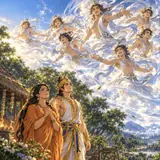
Scene 2 of 2 · King Kushanabha’s hundred daughters dance in a garden like lightning, and refuse the wind god Vayu.
तास्तु यौवनशालिन्यो रूपवत्यः स्वलङ्कृताः । उद्यानभूमिमागम्य प्रावृषीव शतह्रदाः ॥ १२ ॥
गायन्त्यो नृत्यमानाश्च वादयन्त्यस्तु राघव । आमोदं परमं जग्मुर्वराभरणभूषिताः ॥ १३ ॥
“Those daughters, full of youth and beauty, well adorned, came to a garden like flashes of lightning in the rainy season, and singing, dancing and playing instruments, Raghava, adorned with fine ornaments, they were filled with great delight.
“यौवन और सौंदर्य से भरी, सुंदर ढंग से सजी वे पुत्रियाँ वर्षा ऋतु में बिजली की चमक की तरह एक उपवन में आईं, और राघव, सुंदर आभूषणों से सजी वे गाती, नाचती और वाद्य बजाती हुई बड़े आनंद से भर गईं।
CommentaryNot scripture The hundred daughters play in a garden: singing, dancing, playing instruments, “like flashes of lightning in the rains”. Valmiki’s simile captures their brightness and quick movement.
Scene 2 of 2 · King Kushanabha’s hundred daughters dance in a garden like lightning, and refuse the wind god Vayu.
अथ ताश्चारुसर्वाङ्ग्यो रूपेणाप्रतिमा भुवि । उद्यानभूमिमागम्य तारा इव घनान्तरे ॥ १४ ॥
ताः सर्वा गुणसम्पन्ना रूपयौवनसंयुताः । दृष्ट्वा सर्वात्मको वायुरिदं वचनमब्रवीत् ॥ १५ ॥
“Lovely in every limb, unmatched in beauty on earth, they came to the garden like stars among clouds. Seeing them all, full of virtues, youth and beauty, Vayu, who is the self of all, said:
“हर अंग में सुंदर, पृथ्वी पर सौंदर्य में अनुपम, वे उपवन में ऐसे आईं जैसे बादलों के बीच तारे। गुणों, यौवन और सौंदर्य से भरी उन सबको देखकर सबकी आत्मा वायु ने कहा:
CommentaryNot scripture Like stars among clouds. Then Vayu, the wind god, “the self of all”, sees them and speaks. The wind moves everywhere and touches everything; here that power turns into wanting.
Scene 2 of 2 · King Kushanabha’s hundred daughters dance in a garden like lightning, and refuse the wind god Vayu.
अहं वः कामये सर्वा भार्या मम भविष्यथ । मानुषस्त्यज्यतां भावो दीर्घमायुरवाप्स्यथ ॥ १६ ॥
“’I desire you all; you will be my wives. Give up your human state; you will gain long life.
“’मैं तुम सबको चाहता हूँ; तुम मेरी पत्नियाँ बनोगी। अपना मानव भाव छोड़ दो; तुम्हें लंबी आयु मिलेगी।
CommentaryNot scripture He wants them all as wives, and offers immortality. A god’s offer, made without asking their father, without their consent.
Scene 2 of 2 · King Kushanabha’s hundred daughters dance in a garden like lightning, and refuse the wind god Vayu.
चलं हि यौवनं नित्यं मानुषेषु विशेषतः । अक्षयं यौवनं प्राप्ता अमर्यश्च भविष्यथ ॥ १७ ॥
“’Youth is always fleeting, and especially among humans. You will gain unfading youth and become immortal.’
“’यौवन सदा क्षणिक होता है, और मनुष्यों में तो विशेष रूप से। तुम्हें अमिट यौवन मिलेगा और तुम अमर हो जाओगी।’
CommentaryNot scripture “Youth is fleeting, especially among humans.” He offers what every mortal fears losing. It is a tempting offer, and a manipulative one.
Scene 2 of 2 · King Kushanabha’s hundred daughters dance in a garden like lightning, and refuse the wind god Vayu.
तस्य तद्वचनं श्रुत्वा वायोरक्लिष्टकर्मणः । अपहास्य ततो वाक्यं कन्याशतमथाब्रवीत् ॥ १८ ॥
“Hearing these words of Vayu, whose deeds are unhindered, the hundred daughters laughed at what he said and replied:
“बिना रुकावट के कर्म करने वाले वायु के ये वचन सुनकर सौ पुत्रियाँ उनकी बात पर हँसीं और बोलीं:
CommentaryNot scripture The daughters laugh. They are not afraid. Their laughter is a refusal before they say a word.
Scene 2 of 2 · King Kushanabha’s hundred daughters dance in a garden like lightning, and refuse the wind god Vayu.
अन्तश्चरसि भूतानां सर्वेषां सुरसत्तम । प्रभावज्ञाश्च ते सर्वाः किमर्थमवमन्यसे ॥ १९ ॥
“’You move within all beings, best of gods, and we all know your power. Why do you insult us?
“’देवश्रेष्ठ, आप सब प्राणियों के भीतर विचरते हैं, और हम सब आपकी शक्ति जानती हैं। आप हमारा अपमान क्यों करते हैं?
CommentaryNot scripture “You live within all beings; we know your power. Why do you insult us?” They name his proposal as an insult: an offer made without respect.
Scene 2 of 2 · King Kushanabha’s hundred daughters dance in a garden like lightning, and refuse the wind god Vayu.
कुशनाभसुता देव सर्वाः समस्ताः सुरसत्तम । स्थानाच्च्यावयितुं देवं रक्षामस्तु तपो वयम् ॥ २० ॥
“’We are daughters of Kushanabha, god, best of gods, all of us. We could make you fall from your place, god, but we guard our austerity.
“’देव, देवश्रेष्ठ, हम सब कुशनाभ की पुत्रियाँ हैं। हम आपको आपके स्थान से गिरा सकती हैं, देव, पर हम अपने तप की रक्षा करती हैं।
CommentaryNot scripture “We could make you fall from your place, but we guard our austerity.” They have their own spiritual power, and they choose not to use it. Like Vishvamitra in his vow of silence, they practise restraint.
Scene 2 of 2 · King Kushanabha’s hundred daughters dance in a garden like lightning, and refuse the wind god Vayu.
मा भूत् स कालो दुर्मेधः पितरं सत्यवादिनम् । अवमन्य स्वधर्मेण स्वयं वरमुपास्महे ॥ २१ ॥
“’May that time never come, foolish one, when we despise our truthful father and, by our own will, choose a husband.
“’मूर्ख, वह समय कभी न आए जब हम अपने सत्यवादी पिता का अनादर करके अपनी इच्छा से पति चुनें।
CommentaryNot scripture “May that time never come when we despise our father and choose a husband by our own will.” This was the ideal of their world: the father arranges the marriage. Their refusal is loyalty to their family.
Scene 2 of 2 · King Kushanabha’s hundred daughters dance in a garden like lightning, and refuse the wind god Vayu.
पिता हि प्रभुरस्माकं दैवतं परमं च सः । यस्य नो दास्यति पिता स नो भर्ता भविष्यति ॥ २२ ॥
“’Our father is our lord and our highest deity. Whoever our father gives us to, he will be our husband.’
“’हमारे पिता हमारे स्वामी और हमारे परम देवता हैं। पिता हमें जिसे देंगे, वही हमारा पति होगा।’
CommentaryNot scripture “Our father is our lord and highest deity.” Whatever a modern reader feels about this ideal, in the story it is the daughters’ own choice, and they hold it bravely against a god.
Scene 2 of 2 · King Kushanabha’s hundred daughters dance in a garden like lightning, and refuse the wind god Vayu.
तासां तु वचनं श्रुत्वा हरिः परमकोपनः । प्रविश्य सर्वगात्राणि बभञ्ज भगवान् प्रभुः ॥ २३ ॥
“Hearing their words, Hari (Vayu), the lord, in the greatest anger, entered all their limbs and broke them.
“उनके वचन सुनकर भगवान वायु ने अत्यंत क्रोध में उनके सब अंगों में प्रवेश करके उन्हें तोड़-मरोड़ दिया।
CommentaryNot scripture Vayu, in anger, enters their limbs and twists them. The god who was refused takes revenge on the women who refused him. The poem calls the deed a contempt of dharma, as the next verse shows.
Scene 2 of 2 · King Kushanabha’s hundred daughters dance in a garden like lightning, and refuse the wind god Vayu.
अरत्निमात्राकृतयो भग्नगात्रा भयार्दिताः । ताः कन्या वायुना भग्ना विविशुर्नृपतेर्गृहम् । प्रविश्य च सुसम्भ्रान्ताः सलज्जाः सास्रलोचनाः ॥ २४ ॥
“Their forms shrunk to a cubit’s length, their limbs broken, stricken with fear, those maidens broken by Vayu entered the king’s house, flustered, ashamed, with tearful eyes.
“उनके रूप सिकुड़कर एक हाथ भर के रह गए, अंग टूट गए, भय से पीड़ित, वायु से तोड़ी गई वे कन्याएँ घबराई, लज्जित और आँसू भरी आँखों से राजा के घर में आईं।
CommentaryNot scripture Shrunken, bent, ashamed, in tears, they go home. Valmiki shows their suffering plainly. The wrong is Vayu’s, not theirs.
Scene 2 of 2 · King Kushanabha’s hundred daughters dance in a garden like lightning, and refuse the wind god Vayu.
स च ता दयिता भग्नाः कन्याः परमशोभनाः । दृष्ट्वा दीनास्तदा राजा सम्भ्रान्त इदमब्रवीत् ॥ २५ ॥
“Seeing his beloved, most beautiful daughters broken and miserable, the king, alarmed, said:
“अपनी प्रिय, अत्यंत सुंदर पुत्रियों को टूटी और दुखी देखकर राजा ने घबराकर कहा:
CommentaryNot scripture The king sees his beautiful daughters broken. His alarm is a father’s alarm. The next sarga shows how he responds.
Scene 2 of 2 · King Kushanabha’s hundred daughters dance in a garden like lightning, and refuse the wind god Vayu.
किमिदं कथ्यतां पुत्र्यः को धर्ममवमन्यते । कुब्जाः केन कृताः सर्वाश्चेष्टन्त्यो नाभिभाषथ । एवं राजा विनिःश्वस्य समाधिं संदधे ततः ॥ २६ ॥
“’What is this? Tell me, daughters. Who has despised dharma? By whom have you all been made hunchbacked, that you writhe and do not speak?’ So the king sighed, and then composed himself to listen.”
“’यह क्या है? पुत्रियो, मुझे बताओ। किसने धर्म का अनादर किया है? किसने तुम सबको कुबड़ा कर दिया है, कि तुम छटपटा रही हो और बोलती नहीं?’ इस प्रकार राजा ने आह भरी, और फिर सुनने के लिए अपने को सँभाला।”
CommentaryNot scripture “Who has despised dharma?” (kah dharmam dharshayati ). Kushanabha names the act for what it is: an assault on dharma. Then he steadies himself to listen. A wise father hears the whole story before he acts.
Scene 2 of 2 · King Kushanabha’s hundred daughters dance in a garden like lightning, and refuse the wind god Vayu.